
Glipzo
WorldTechnologyBusinessSportsEntertainmentScienceHealthPolitics
Glipzo
WorldTechnologyBusinessSportsEntertainmentScienceHealthPolitics
  1. Home
  2. /
  3. Food
  4. /
  5. Breaking Barriers: The Kelp Revolution in American Cuisine
Breaking Barriers: The Kelp Revolution in American Cuisine

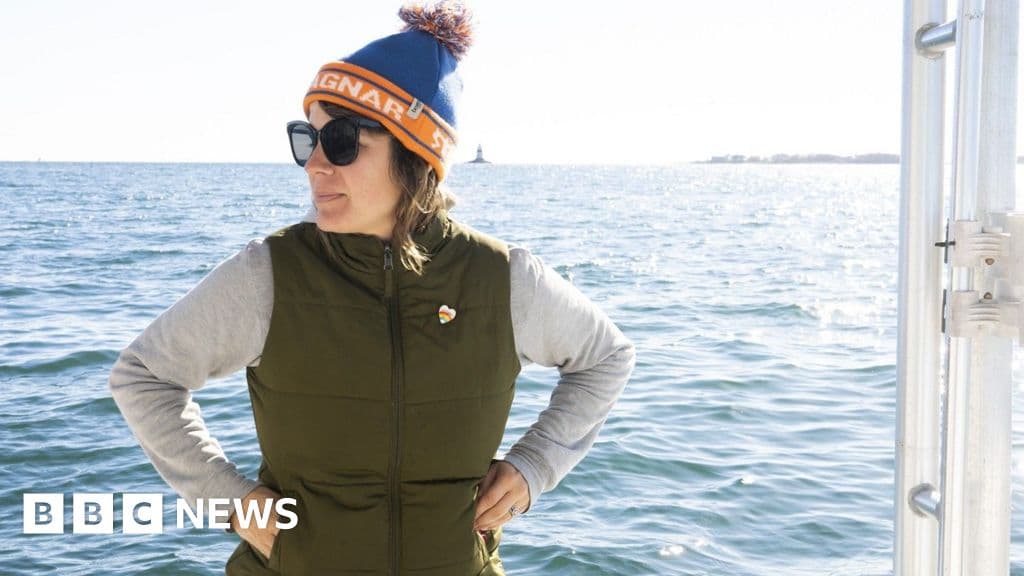
Image: BBC Business

Food
Thursday, April 30, 20265 min read

Breaking Barriers: The Kelp Revolution in American Cuisine

Discover how Suzie Flores is revolutionizing American cuisine by promoting sustainable sugar kelp farming along the Connecticut coast. Learn why this matters!

Glipzo News Desk|Source: BBC Business
Share
Glipzo

Key Highlights

  • Suzie Flores leaves corporate life to farm sugar kelp in CT.
  • Sugar kelp is a versatile, sustainable food option gaining popularity.
  • Over 90% of U.S. seaweed is imported; domestic farming is growing.
  • Chefs love sugar kelp for its unique flavors and seasonal appeal.
  • Flores’ journey illustrates the potential for seaweed in American diets.

In this article

  • The Journey from Publishing to Kelp Farming Suzie Flores made a significant life change by leaving her career in Manhattan to pursue a venture in sustainable agriculture—specifically, **sugar kelp** farming off the coast of Connecticut. On chilly February mornings, while most of New England is gripped by winter, Flores sets out from **Stonington**, one of the last commercial fishing ports in the state, to harvest this unique seaweed from the Atlantic waters.
  • A New Chapter in Life and Career A decade ago, Flores was entrenched in a corporate career, holding an **English degree** and working in academic publishing. However, with the arrival of her three children and her husband Jay’s unsettling experiences as a combat photographer, Flores began to reconsider her life’s trajectory. Reflecting on her legacy, she realized she wanted to inspire her children with a life of purpose rather than corporate success.
  • Overcoming Market Challenges Despite her enthusiasm and the supportive community, Flores faced a daunting challenge when she harvested her first batch of sugar kelp—she had thousands of pounds of seaweed and no market to sell it to. Reflecting on this hurdle, she admits, "Had Jay and I known about that element of work, I don't know if we would have gone into it."
  • Culinary Appeal of Sugar Kelp Her persistence has paid off. The Stonington Kelp Company now enjoys a strong following, selling out each season to high-end restaurants that appreciate the unique flavors and sustainability of her product. **David Standridge**, chef at **The Shipwright's Daughter** in Mystic, Connecticut, is among the many chefs who have embraced sugar kelp. A 2026 James Beard finalist for Outstanding Chef of the Year, Standridge values the seasonal aspect of kelp, as it is often the first fresh ingredient available in New England during the early spring.
  • A Broader Perspective on Seaweed Farming Despite Flores' success, her experience sheds light on a more extensive issue within the U.S. seaweed industry. Currently, the United States relies heavily on imports, sourcing over **90% of its seaweed** from Asia, which has a rich history of cultivation. In contrast, North America produces only a small fraction of the global supply, and while the number of seaweed farms is increasing, the necessary infrastructure to support them remains undeveloped.
  • What Lies Ahead for Kelp Farming Looking to the future, Flores is optimistic about the potential of sugar kelp in American kitchens. As more chefs recognize the versatility and unique flavor profiles of this sea vegetable, the market for domestically sourced seaweed is likely to expand. She emphasizes the importance of education and outreach in her efforts to promote kelp as a sustainable food option.

The Journey from Publishing to Kelp Farming Suzie Flores made a significant life change by leaving her career in Manhattan to pursue a venture in sustainable agriculture—specifically, **sugar kelp** farming off the coast of Connecticut. On chilly February mornings, while most of New England is gripped by winter, Flores sets out from **Stonington**, one of the last commercial fishing ports in the state, to harvest this unique seaweed from the Atlantic waters.

As she navigates the icy conditions, waiting for the right moment when the sea is calm, she retrieves lines of sugar kelp that will soon grow into metre-long blades. During her early-season trips, she meticulously measures and photographs the fronds, occasionally taking water samples for marine research. Her journey is not just about harvesting; it’s about advocating for a sustainable food source that remains largely unfamiliar to many Americans.

A New Chapter in Life and Career A decade ago, Flores was entrenched in a corporate career, holding an **English degree** and working in academic publishing. However, with the arrival of her three children and her husband Jay’s unsettling experiences as a combat photographer, Flores began to reconsider her life’s trajectory. Reflecting on her legacy, she realized she wanted to inspire her children with a life of purpose rather than corporate success.

The family relocated to a run-down marina on the Connecticut-Rhode Island border, turning it into their new home and workplace. Flores pursued further education in environmental science and reached out to Charlie Yarish, a prominent biologist from the University of Connecticut known for his pioneering work in seaweed farming. His prompt response and guidance from the non-profit organization GreenWave marked the beginning of her kelp farming journey.

Overcoming Market Challenges Despite her enthusiasm and the supportive community, Flores faced a daunting challenge when she harvested her first batch of sugar kelp—she had thousands of pounds of seaweed and no market to sell it to. Reflecting on this hurdle, she admits, "Had Jay and I known about that element of work, I don't know if we would have gone into it."

Rather than giving up, Flores took the initiative to create demand for her product. She reached out to farm-to-table restaurants, educating chefs about the culinary potential of sugar kelp. While many associate seaweed with rubbery textures, Flores emphasized that East Coast sugar kelp is delicate and versatile, lacking the toughness of its Pacific counterpart, kombu.

Culinary Appeal of Sugar Kelp Her persistence has paid off. The Stonington Kelp Company now enjoys a strong following, selling out each season to high-end restaurants that appreciate the unique flavors and sustainability of her product. **David Standridge**, chef at **The Shipwright's Daughter** in Mystic, Connecticut, is among the many chefs who have embraced sugar kelp. A 2026 James Beard finalist for Outstanding Chef of the Year, Standridge values the seasonal aspect of kelp, as it is often the first fresh ingredient available in New England during the early spring.

Standridge describes sugar kelp as “crunchy, light, salty, and briny,” making it an ideal addition to various dishes. He notes its ability to enhance flavors without overpowering other ingredients, a characteristic he compares to the concept of terroir in wine, where the quality of the product reflects its environment.

A Broader Perspective on Seaweed Farming Despite Flores' success, her experience sheds light on a more extensive issue within the U.S. seaweed industry. Currently, the United States relies heavily on imports, sourcing over **90% of its seaweed** from Asia, which has a rich history of cultivation. In contrast, North America produces only a small fraction of the global supply, and while the number of seaweed farms is increasing, the necessary infrastructure to support them remains undeveloped.

The challenge is not just about farming but also about building a market for domestically grown seaweed. Many chefs and consumers are still unfamiliar with the culinary uses of seaweed, leading to a slow adoption of this sustainable food source. Flores knows that her work is part of a larger movement aimed at changing perceptions and increasing the consumption of locally sourced seaweed.

What Lies Ahead for Kelp Farming Looking to the future, Flores is optimistic about the potential of sugar kelp in American kitchens. As more chefs recognize the versatility and unique flavor profiles of this sea vegetable, the market for domestically sourced seaweed is likely to expand. She emphasizes the importance of education and outreach in her efforts to promote kelp as a sustainable food option.

Additionally, the increasing focus on sustainability in food production aligns perfectly with the attributes of seaweed farming, which requires no freshwater and can improve marine ecosystems. As environmental awareness grows, so too does the interest in alternative food sources like kelp.

In summary, Suzie Flores is not just harvesting sugar kelp; she is cultivating a movement. With dedication and passion, she aims to pave the way for a future where American diets include this nutritious and sustainable marine crop, proving that the ocean holds great potential for our plates.

Why It Matters: As the world grapples with food security and sustainability challenges, local innovations like Flores’ kelp farming could play a crucial role in reshaping our food systems. The rise of domestically grown seaweed might just be the next big thing in sustainable food production, offering a solution that benefits both our health and the environment.
Did you find this article useful? Share it!

Share

Related Articles

Discover the Best Indian Snacks to Beat the Summer Heat
Food
May 22, 2026

Discover the Best Indian Snacks to Beat the Summer Heat

Explore the top Indian snacks for summer: jhaal muri, bhel puri, and more. Discover how these light bites can cool you down this season!

Indian Express
Benne Dosa Takes Over: Bengaluru's Food Phenomenon Spreads
Food
Apr 25, 2026

Benne Dosa Takes Over: Bengaluru's Food Phenomenon Spreads

Discover how Bengaluru's beloved benne dosa is captivating Mumbai and Delhi, fueling a nationwide culinary craze. Click to learn more!

Indian Express
The Top 12 Coffee Subscriptions for 2026: A Caffeine Lover's Guide
Food
Mar 22, 2026

The Top 12 Coffee Subscriptions for 2026: A Caffeine Lover's Guide

Discover the top coffee subscriptions for 2026, ensuring you never run out of your favorite brew. Explore global flavors and unique blends today!

Wired

Categories

  • World
  • Technology
  • Business
  • Sports

More

  • Entertainment
  • Science
  • Health
  • Politics

Explore

  • Web Stories
  • About Us
  • Contact

Legal

  • Privacy Policy
  • Terms of Service
  • Disclaimer

© 2026 Glipzo. All rights reserved.