
Image: BBC World
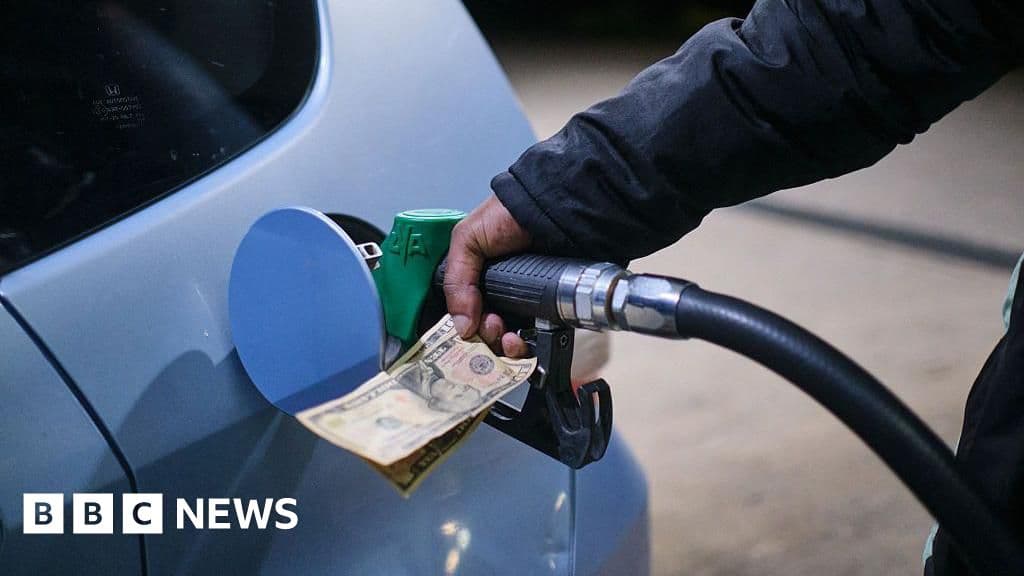
African nations like South Sudan and Mauritius are facing power rationing due to the Iran conflict. Discover how countries are adapting to this energy crisis.
GlipzoThe ongoing Iran conflict is sending shockwaves across Africa, leading to power rationing and fuel shortages in several countries, including South Sudan and Mauritius. As electricity consumption restrictions take hold, citizens are grappling with the consequences of rising energy costs and dwindling fuel supplies.
In Juba, South Sudan's capital, the local electricity provider, Jedco, has announced that residents will experience rotational power cuts as it attempts to manage its limited energy reserves. On a daily basis, certain parts of Juba will be left without power as the country struggles with its energy needs amidst the backdrop of the Iran-US conflict.
Jedco explained, “Due to the ongoing Iran-US conflict... Jedco must proactively manage its available energy reserves... we are prioritizing a strategic rationing of power.” This decision comes as the country, despite possessing significant oil reserves, relies heavily on imported refined products for its energy requirements. The International Energy Agency reports that South Sudan generates a staggering 96% of its electricity from oil.
Residents like Ereneo Mogga, an electrical engineer, are feeling the brunt of these power cuts. He shared that the electricity often shuts off at 4 PM, only to resume at 4 AM the next morning. This situation has created a significant challenge for local businesses, forcing some to consider switching to solar energy, albeit at a high cost.
Meanwhile, the island nation of Mauritius is grappling with its own energy crisis, heavily dependent on oil imports for electricity generation. A recent shipment delay left the country with only 21 days of fuel stock, necessitating immediate action from the government.
Patrick Assirvaden, the Minister of Energy, confirmed that alternative fuel supplies have been arranged to arrive from Singapore, although at a higher price. The government is taking these steps to mitigate the energy emergency as local demand continues to rise.
In a bid to combat rising fuel costs, Zimbabwe announced plans to increase the ethanol content in its petrol from 5% to 20%. This decision aims to alleviate the burden of skyrocketing fuel prices, which have surged by 40% within a month. The government is also considering tax scrapping on fuel imports to further reduce costs for consumers.
Local entrepreneurs like Nicole Mazarura, a street vendor in Harare, expressed their struggles: “The prices of everything have shot up since the war in Iran began.” She described how her transport costs have doubled, forcing her to absorb losses as she cannot raise her drink prices.
In Ethiopia, authorities have mandated that fuel supply companies focus on essential services such as security institutions and major government projects. The Ethiopian Oil and Energy Authority has implemented measures that restrict fuel distribution, prioritizing public transport and key industries.
Concerns are rising in the Tigray region, where a complete suspension of fuel supplies has been announced amidst fears of a return to civil unrest.
Kenya is also feeling the strain, with 20% of petrol stations reporting shortages due to panic buying. The Vivo Energy Kenya company has acknowledged that increased demand has led to temporary stock-outs in several service stations. Despite this, the Kenyan energy ministry refutes claims of a widespread fuel shortage, accusing retailers of hoarding fuel in expectation of price hikes.
In light of these crises, neighboring Uganda has assured its citizens that fuel supplies remain stable. However, the overall situation across East Africa is precarious, with countries implementing various measures to mitigate the effects of the conflict in Iran on their energy sectors.
These developments highlight a critical intersection between global conflicts and local economies, revealing how international events can directly impact everyday life in Africa. The ongoing Iran war has disrupted fuel supplies, forcing nations to adapt quickly to ensure energy security. As governments scramble for alternative fuel sources and implement rationing measures, the future of energy in Africa hangs in the balance.
Moving forward, it’s vital to watch how African countries respond to these energy challenges. Key areas to monitor include: - The effectiveness of alternative fuel strategies, such as Zimbabwe's ethanol shift. - The stability of fuel imports in Mauritius and whether they can secure timely shipments. - The potential for unrest in areas like Tigray if fuel supplies remain suspended. - The impact of power rationing on economic activities in countries like South Sudan and Kenya.
As the situation evolves, the resilience and adaptability of these nations will be crucial in navigating the energy crisis.
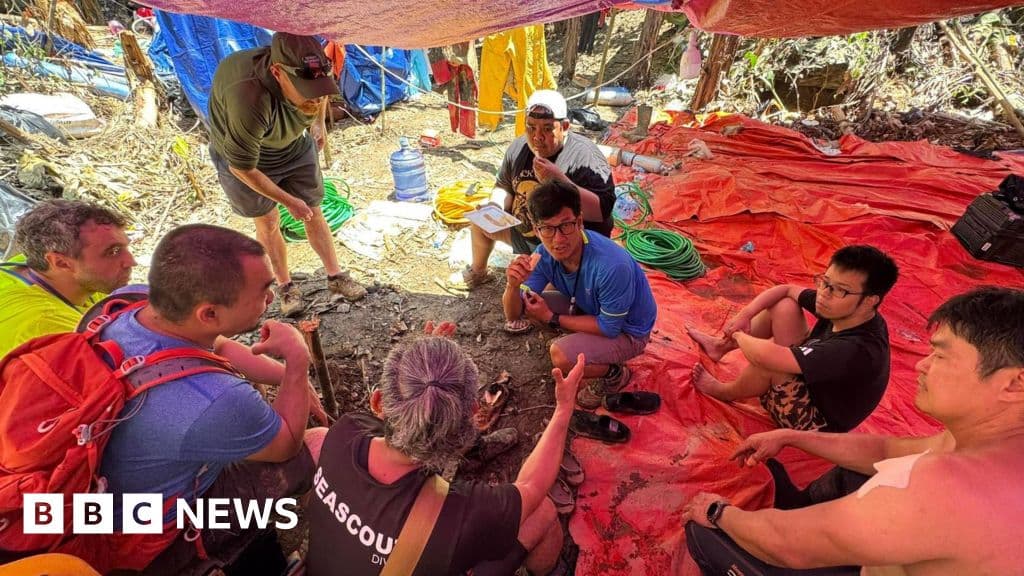
Survivors of the Laos cave rescue are aiding efforts to find the last two missing men trapped inside, sharing crucial insights for the search operation.
BBC World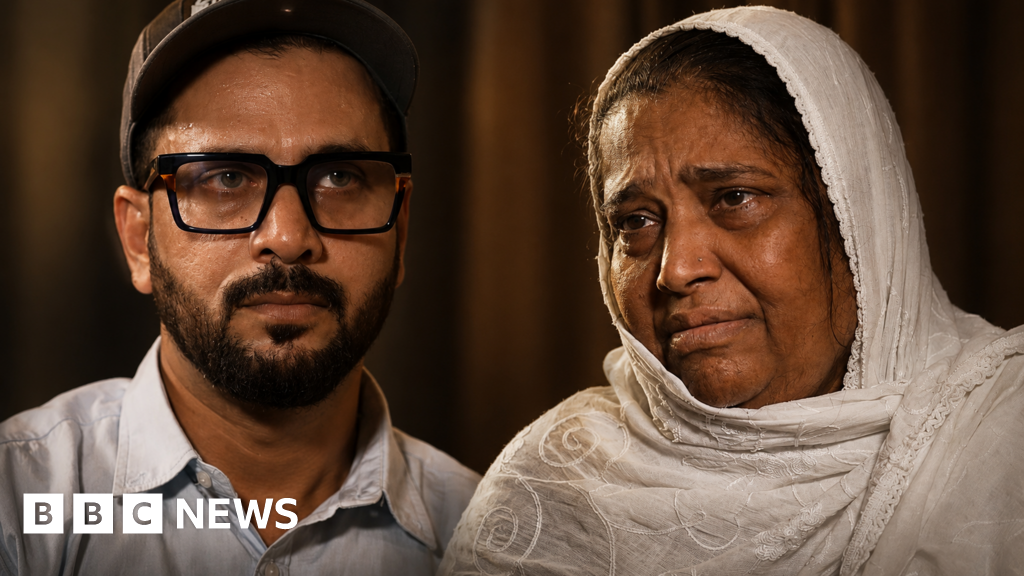
A year after the tragic Air India crash, the Ali family reflects on grief, unanswered questions, and the enduring bonds of love in the face of loss.
BBC Business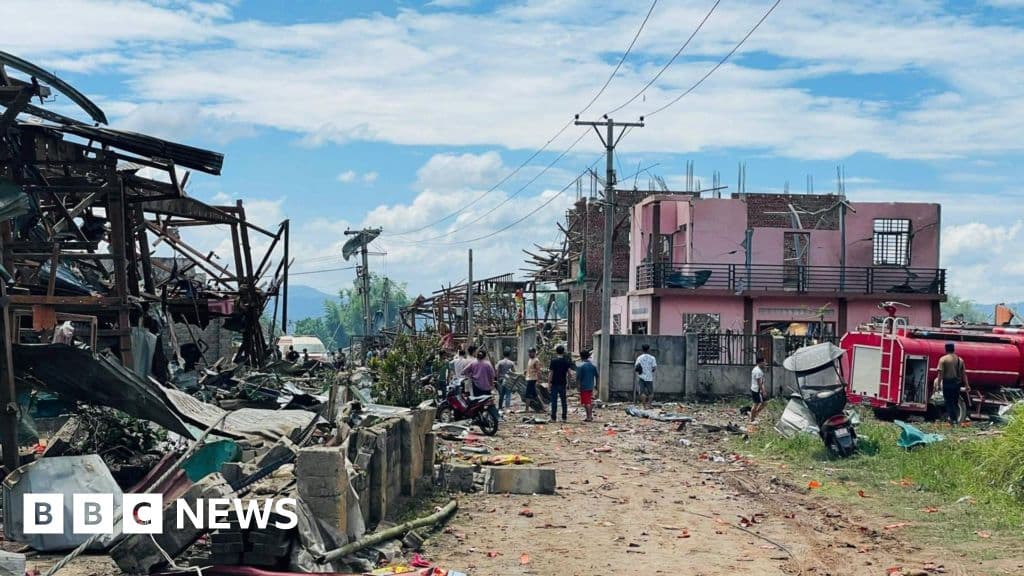
A devastating explosion in Myanmar's Kaung Tat village has killed at least 55 people, raising serious safety concerns and questions about civilian protection in conflict zones.
BBC World