
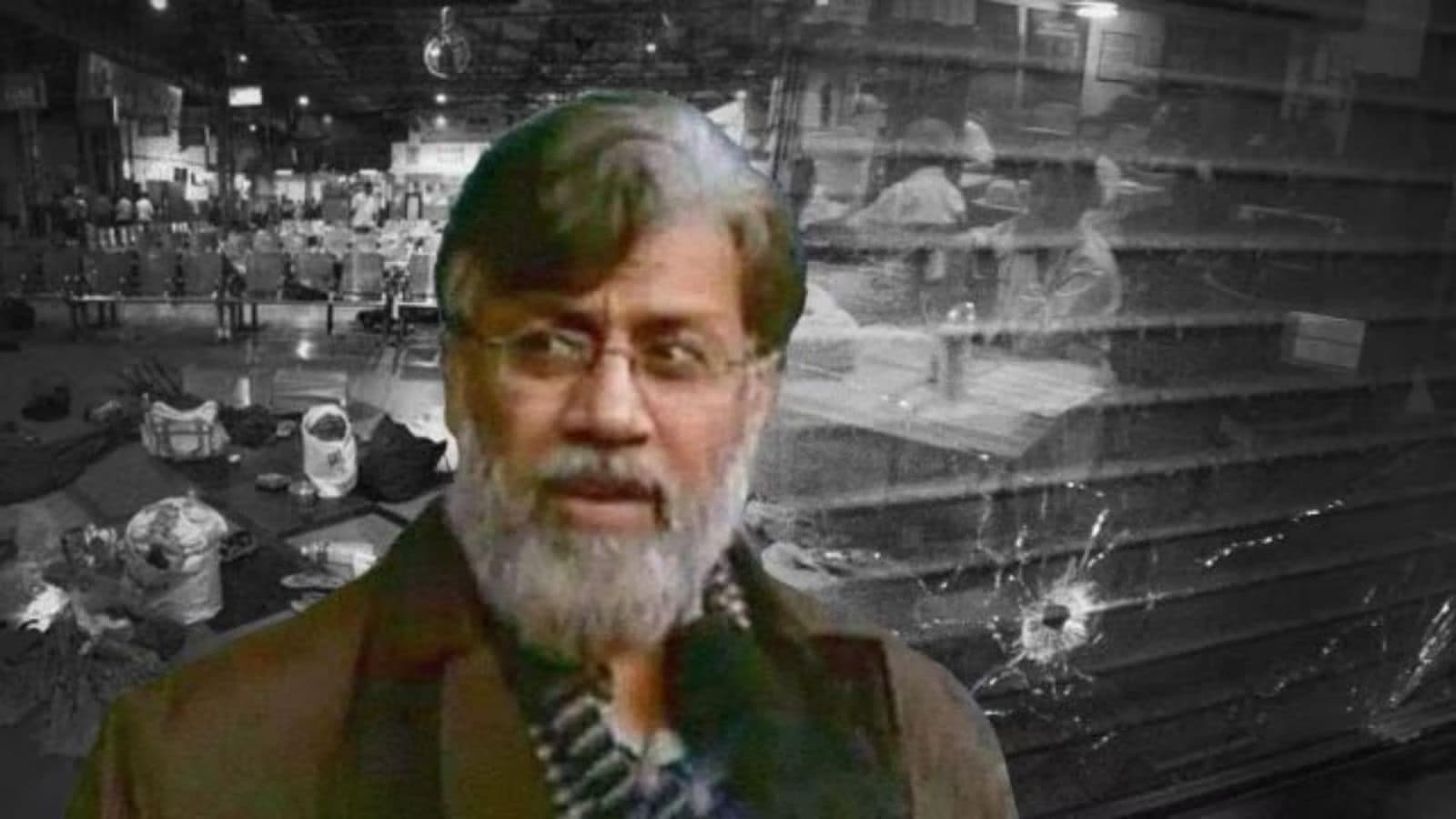
Image: Indian Express
Breaking news: 26/11 terror suspect Tahawwur Rana underwent surgery at AIIMS Delhi. Discover the implications for his case and national security.
GlipzoTahawwur Rana, a prominent figure in the 2008 Mumbai terror attacks, recently underwent hernia surgery at the All India Institute of Medical Sciences (AIIMS) in Delhi. This operation took place on May 4, 2023, after Rana was admitted to the hospital from Tihar Jail, where he is currently held. The 65-year-old is facing serious allegations related to his involvement in one of India's most devastating terrorist incidents.
Rana's medical condition prompted a series of visits to AIIMS, totaling five appointments in the month leading up to the surgery. These visits were crucial for assessing his health before the procedure could be scheduled. A source revealed that the surgery proceeded smoothly, and he is now in recovery. This medical intervention was sanctioned by a Delhi court, reflecting the necessary legal protocols involved in the treatment of inmates.
As a high-profile inmate, Rana is housed in Jail 2 of Tihar, specifically designed for high-risk prisoners. This ward accommodates only a limited number of inmates, ensuring a secure environment. Rana shares the facility with notable prisoners, including Mohammed Ahmed Zarar Siddibappa, also known as Yasin Bhatkal, a key figure in the Indian Mujahideen.
The safety and security of Rana during his hospital visit were managed by the Delhi Police’s Nayayik Abhiraksha Vahini (NAV), which oversees the transportation of Tihar inmates to court or medical facilities. Additional personnel from the South district police were deployed outside Rana's ward, ensuring comprehensive security throughout the process.
Rana's connection to the 26/11 attacks is particularly significant. He was a close associate of David Coleman Headley, a scout for the Lashkar-e-Taiba, who conducted surveillance for the attacks that resulted in over 150 lives lost and numerous injuries. Rana is accused of providing logistical support and aiding Headley in his reconnaissance efforts prior to the attacks.
After being extradited from the United States to India on April 10, 2022, Rana faced serious charges, including conspiracy and aiding terrorism. His case has drawn considerable media attention, highlighting the ongoing ramifications of one of the most notorious terrorist acts in Indian history.
The legal processes surrounding Rana are critical, not just for the families affected by the Mumbai attacks but also for India's national security framework. His extradition and subsequent trial underline the commitment of Indian authorities to hold accountable those who threaten the country’s safety. Additionally, Rana’s health issues and treatment are closely monitored, reflecting the balance between ensuring inmate rights and maintaining public safety.
The implications of Rana's case extend beyond his personal legal battles, as it raises questions about international collaboration on terrorism and the effectiveness of security measures in preventing such attacks in the future.
As Rana continues his recovery, eyes are on the upcoming legal proceedings. The next steps will likely involve further assessments of his health and additional court hearings regarding his charges. Observers are keen to see how his health may impact the legal timeline and what new revelations might emerge as the case unfolds.
The public and media will continue to watch closely as developments arise. With terrorism still a significant concern in India, Rana's case serves as a reminder of the lasting effects of the 26/11 attacks and the ongoing battle against extremist elements in society.
Understanding the intricacies of Rana's case is crucial for grasping the broader implications of terrorism in India. It highlights the ongoing challenges law enforcement faces in prosecuting individuals linked to terror activities and underscores the importance of international legal frameworks in combating global terrorism.
Future developments in Rana's case will provide insight into the effectiveness of India's judiciary and law enforcement in managing high-profile terror-related cases, as well as the ongoing threats posed by extremist groups.
Stay tuned for further updates on this significant case and its implications for national security and justice in India.

Tensions soar as the US and Iran engage in air strikes near the Strait of Hormuz, raising concerns over global oil supply and regional stability.
BBC World
Trump's international interventions face serious stalemates. What will this mean for U.S. foreign policy? Explore the critical challenges ahead.
Indian Express
Tehran denies resignation of President Masoud Pezeshkian amid claims of IRGC influence. What does this mean for Iran's political stability? Click to learn more!
Indian Express