
Image: Mint (Business)
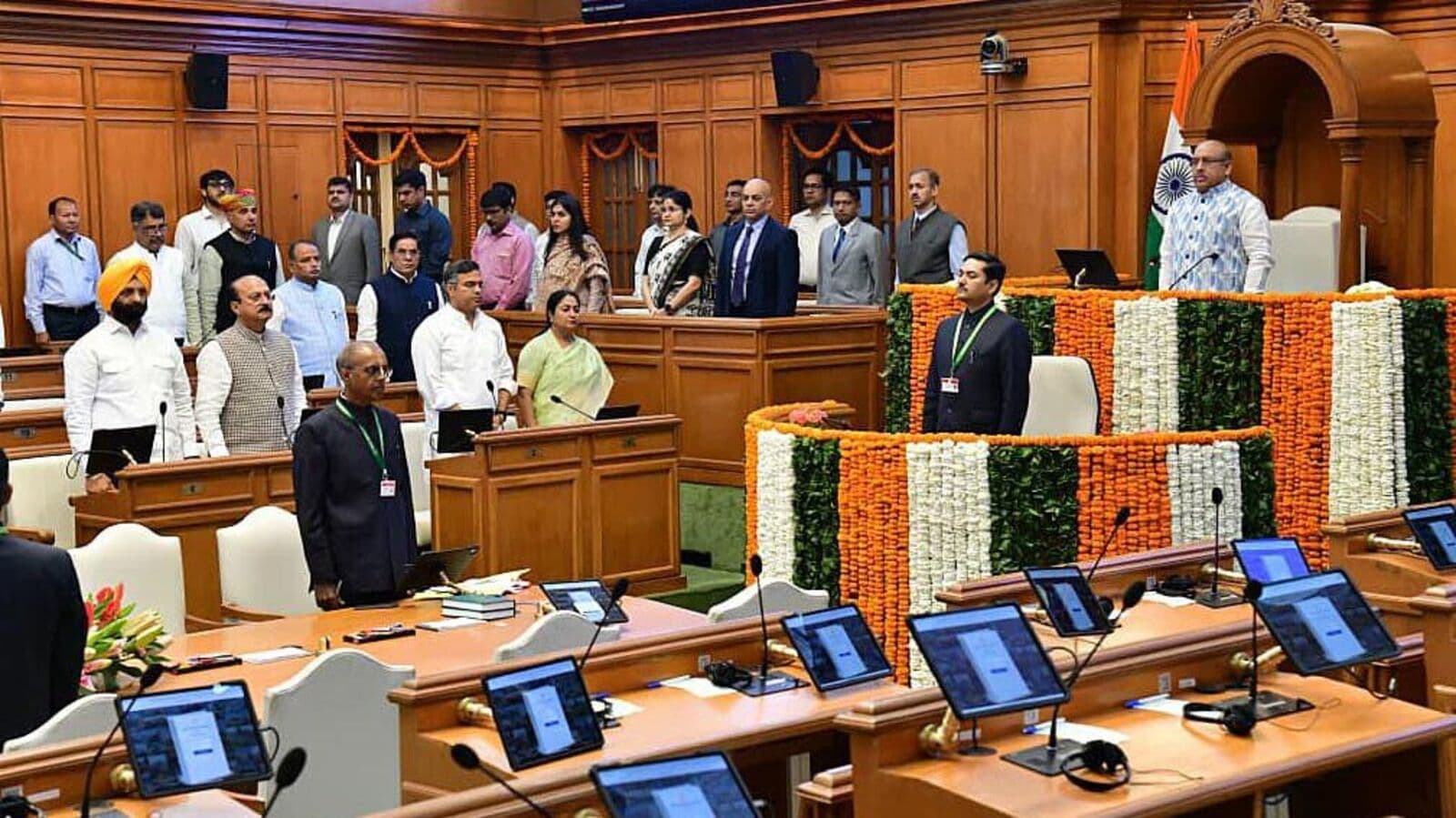
A bomb threat targeting Delhi Assembly Speaker Vijender Gupta and several top officials, including PM Modi, raises serious security concerns. Learn more.
GlipzoIn a shocking turn of events, Delhi Assembly Speaker Vijender Gupta was the recipient of a bomb threat email on Tuesday, igniting serious security concerns in the national capital. The unsettling message not only threatened to detonate a bomb at the Assembly building but also aimed at the nearby Vidhan Sabha Metro Station. This alarming communication has raised eyebrows and prompted immediate action from law enforcement, as reported by news agency ANI.
The email reportedly included menacing remarks directed at several high-profile political figures, including Prime Minister Narendra Modi, Home Minister Amit Shah, External Affairs Minister Dr. S. Jaishankar, Delhi Chief Minister Rekha Gupta, and Delhi Minister Manjinder Singh Sirsa. According to the office of the Delhi Assembly Speaker, these threats are being taken extremely seriously, although Mint has yet to verify the authenticity of the claims.
The gravity of the situation led to a thorough inspection of the Delhi Assembly premises. Footage obtained by Hindustan Times depicted security personnel conducting searches to ensure public safety. Thankfully, no suspicious items have been discovered thus far, and authorities have confirmed that adequate police arrangements are in place to handle any potential fallout from the threat.
As the investigation unfolds, the police remain vigilant, ensuring that the incident does not escalate further. The public can take some comfort in knowing that security measures are being reinforced to protect key governmental institutions and their representatives.
This incident is particularly concerning in the current political climate of India, where tensions can run high. Threats against political leaders not only endanger those directly involved but also instill fear in the general populace. The potential for unrest or panic in a densely populated area like Delhi cannot be understated.
While the investigation into the source of the threat continues, it raises important questions about the adequacy of security measures in place for public officials and the general public alike. The incident underscores the urgent need for enhanced security protocols to prevent any similar occurrences in the future.
As this is a developing story, attention will remain focused on any new information that emerges regarding the origin of the bomb threat. Authorities will likely increase their surveillance and security measures, especially around key political figures and government buildings.
The situation serves as a reminder of the vulnerabilities faced by public officials in volatile political environments. Moving forward, stakeholders must remain vigilant and proactive in ensuring the safety and security of all involved.
As more information becomes available, the public is encouraged to stay informed through reliable news sources. The necessity for a secure environment for both leaders and citizens is paramount, and this incident has opened the door for discussions on how to better achieve that goal in India’s bustling capital.
In light of this troubling incident, it is crucial for all stakeholders—including government officials, security agencies, and the public—to remain alert and engaged. The ongoing investigation will not only seek to identify the source of the threat but will also likely highlight areas where security can be improved. As the situation develops, it serves as a critical reminder of the complexities of political safety in a democratic society.
Stay tuned for further updates as this story unfolds.

Tensions soar as the US and Iran engage in air strikes near the Strait of Hormuz, raising concerns over global oil supply and regional stability.
BBC World
Trump's international interventions face serious stalemates. What will this mean for U.S. foreign policy? Explore the critical challenges ahead.
Indian Express
Tehran denies resignation of President Masoud Pezeshkian amid claims of IRGC influence. What does this mean for Iran's political stability? Click to learn more!
Indian Express