
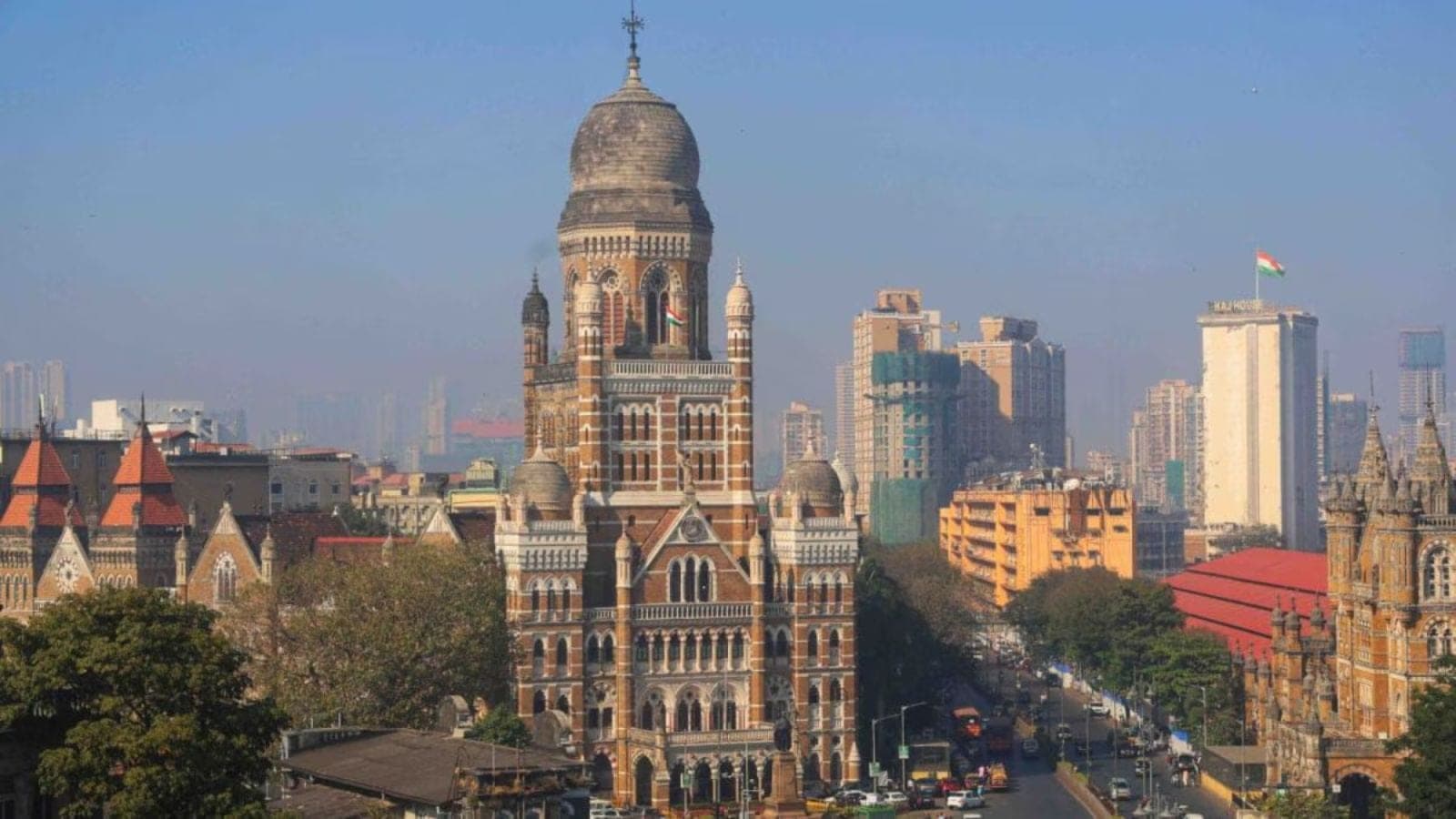
Image: Indian Express
BMC's recent decision to remove 1,992 trees for the coastal road sparks controversy. What does this mean for Mumbai's environment and future projects?
GlipzoIn a significant move for urban infrastructure, the Brihanmumbai Municipal Corporation (BMC) has authorized the removal and transplantation of 1,992 trees as part of the ambitious Mumbai coastal road project. This decision, reached on May 29, has sparked debates regarding environmental sustainability and urban development in the bustling metropolis. The proposal, however, notably does not address the 6,000 mangroves set to be cut down to facilitate this project, which received prior consent from the Bombay High Court and the state forest department.
The BMC's tree committee detailed that out of the total trees impacted, 726 will be cut down while 1,266 will be transplanted to a designated area in Powai. This large-scale operation affects various regions within the city:
This tree removal is part of a two-phase proposal, with the first phase now officially cleared.
Officials emphasize the importance of maintaining a compensatory plantation ratio. For every tree removed or transplanted, the BMC has committed to planting 20,330 new trees in Panvel, located within the Raigad district. An official involved in the project confirmed that plans for compensatory planting were initiated only after securing land for the new trees, which will be overseen by the state government’s forest development corporation (FDC). The FDC is tasked with nurturing the saplings for a period of seven years to ensure their survival and growth.
Looking ahead, the next phase of the coastal road project will be presented to the committee only after suitable land for further tree planting is identified. This phased approach aims to balance development with environmental responsibility.
The second phase of the coastal road project is designed to connect Versova to Bhayander within the Mumbai Metropolitan Region (MMR). This extensive project has been broken down into six packages which include:
With a staggering budget of Rs 25,000 crore, this 25 km-long corridor will feature state-of-the-art infrastructure, including underground tunnels, cable-stayed bridges, and vehicular interchanges. However, this ambitious plan poses a significant threat to the region's green cover, as its route passes through various mangrove patches, creeks, and forest zones.
The decision to clear a substantial number of trees for urban development raises critical environmental concerns. Urban areas like Mumbai are already grappling with the repercussions of deforestation and habitat loss. The removal of trees, especially those that contribute to the ecosystem, can lead to:
As the BMC moves forward with the coastal road project, stakeholders—including environmentalists, local communities, and urban planners—will be closely watching the developments. Key considerations will include:
The dual challenge of fostering urban growth while preserving environmental integrity will be at the forefront of discussions as this project unfolds. The outcomes of this project could set precedents for future urban infrastructure initiatives across India.
In conclusion, while the BMC’s proposal aims to bolster Mumbai’s infrastructure, it also necessitates a careful, balanced approach to environmental stewardship. The city’s residents, policymakers, and environmentalists must collaborate to navigate the complexities of urban development in a way that prioritizes both progress and ecological health.

Tensions soar as the US and Iran engage in air strikes near the Strait of Hormuz, raising concerns over global oil supply and regional stability.
BBC World
Trump's international interventions face serious stalemates. What will this mean for U.S. foreign policy? Explore the critical challenges ahead.
Indian Express
Tehran denies resignation of President Masoud Pezeshkian amid claims of IRGC influence. What does this mean for Iran's political stability? Click to learn more!
Indian Express