
Glipzo
WorldTechnologyBusinessSportsEntertainmentScienceHealthPolitics
Glipzo
WorldTechnologyBusinessSportsEntertainmentScienceHealthPolitics
  1. Home
  2. /
  3. Politics
  4. /
  5. BJP Expands Influence in Bengal Border Seats: Key Insights
BJP Expands Influence in Bengal Border Seats: Key Insights

Image: Indian Express

Politics
Monday, May 11, 20264 min read

BJP Expands Influence in Bengal Border Seats: Key Insights

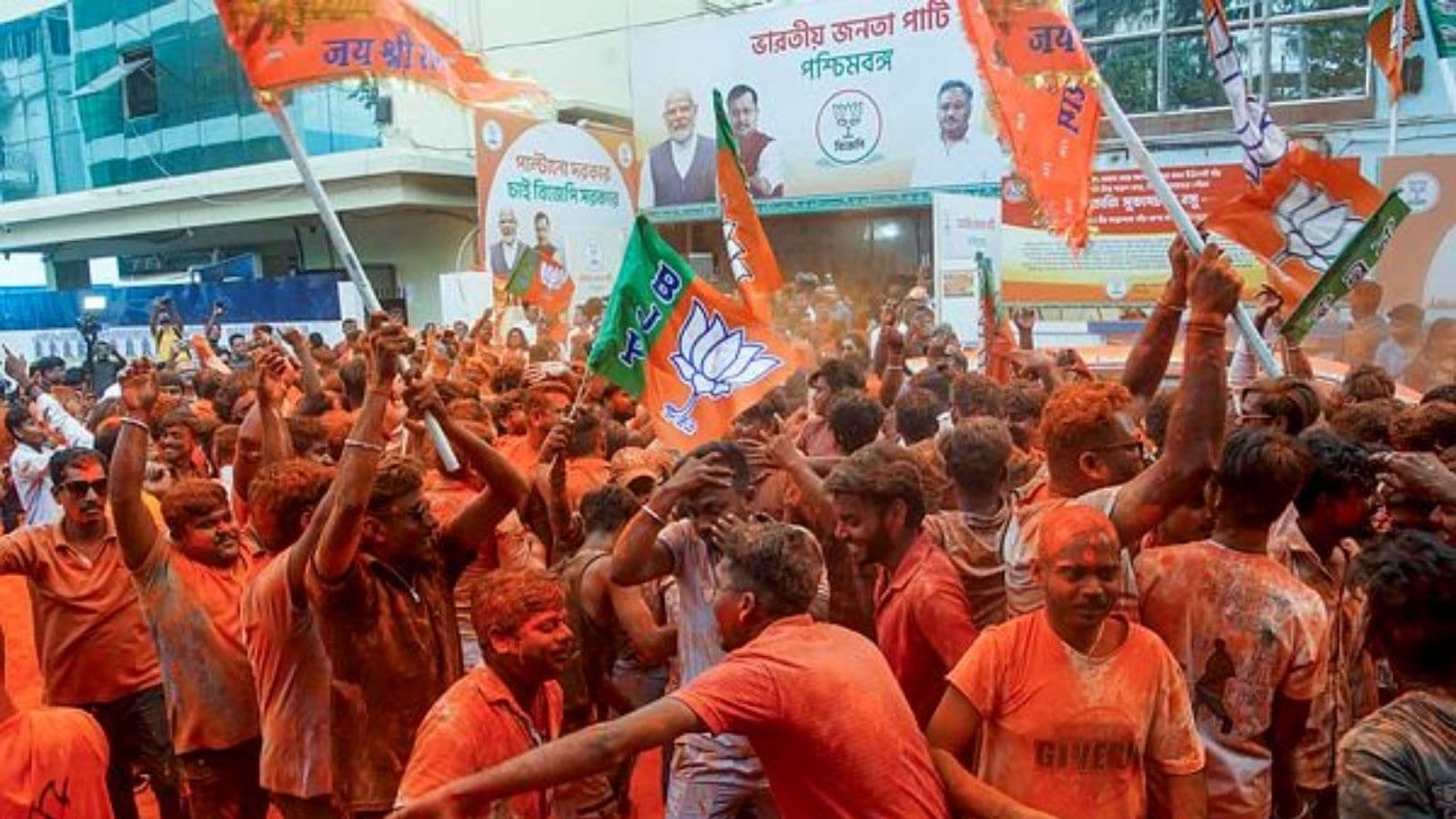
BJP's 2026 Assembly election wins show a stronghold in Bengal's border seats, raising questions about the impact of its infiltration narrative.

Glipzo News Desk|Source: Indian Express
Share
Glipzo

Key Highlights

  • BJP gains 11 seats in Bengal's border constituencies!
  • TMC's seat count nearly halved, losing ground to BJP.
  • BJP's average win margin skyrockets to 40,195 votes!
  • Infiltration narrative fuels BJP's campaign success.
  • What does BJP's win mean for West Bengal's political landscape?

In this article

  • BJP Makes Significant Gains in Border Seats In a remarkable shift in West Bengal's political landscape, the **Bharatiya Janata Party (BJP)** has successfully expanded its influence in constituencies along the **India-Bangladesh border** during the **2026 Assembly elections**. The party has captured **28 seats** out of the 44 available in this strategic region, a notable increase from the **17 seats** it secured in the previous elections in **2021**.
  • The Shift in Voting Dynamics In stark contrast to the previous elections, the TMC's representation has dwindled significantly, winning only **15 seats** this time around. The loss of **12 seats** to the BJP, along with one to the **Congress**, indicates a dramatic shift in voter sentiment. The Congress managed to retain its foothold in **Raninagar**, marking one of the few victories in the state, primarily due to the narrow margin of **2,701 votes** against TMC's outgoing MLA, **Abdul Soumik Hossain**.
  • Winning Margins Favor the BJP The **BJP's winning margins** in these border constituencies reveal a tightening grip over the region. The party's average victory margin across its **28 seats** is an impressive **40,195 votes**, significantly higher than the TMC's average of **28,504 votes** within its retained seats. This indicates that not only did the BJP gain more seats, but it also did so by commanding a stronger voter base.
  • The Role of Infiltration Narratives Central to the BJP's campaign in these border seats has been the issue of **infiltration from Bangladesh**, which the party has labeled a critical threat. The BJP's strategy included a promise of a **zero-tolerance policy** towards illegal immigration, encapsulated in their slogan, **“detect, delete, and deport.”** Furthermore, the party has vowed to expedite the construction of fencing along the **2,216-km** stretch of the India-Bangladesh border within **45 days** of forming the government.
  • Why This Matters The BJP's electoral success in these border regions can have profound implications for West Bengal's political future. The party's increased presence may alter the balance of power not only in the state but also influence national politics, especially given the strategic importance of the India-Bangladesh border.
  • Looking Ahead: What to Expect As the BJP prepares to form a government, the focus will likely remain on implementing its promises related to border security and immigration. Observers will be keen to see how the party translates its electoral mandate into policy, particularly regarding the contentious issue of **illegal immigration** and demographic changes in the region.

BJP Makes Significant Gains in Border Seats In a remarkable shift in West Bengal's political landscape, the **Bharatiya Janata Party (BJP)** has successfully expanded its influence in constituencies along the **India-Bangladesh border** during the **2026 Assembly elections**. The party has captured **28 seats** out of the 44 available in this strategic region, a notable increase from the **17 seats** it secured in the previous elections in **2021**.

This surge in border constituencies is not just about numbers; it highlights the effectiveness of the BJP's campaign strategy, which has predominantly focused on its anti-Bangladesh refugee narrative. The party's ability to wrest control from the Trinamool Congress (TMC), which previously held 27 seats in 2021, is a testament to its growing traction among voters in these sensitive zones.

The Shift in Voting Dynamics In stark contrast to the previous elections, the TMC's representation has dwindled significantly, winning only **15 seats** this time around. The loss of **12 seats** to the BJP, along with one to the **Congress**, indicates a dramatic shift in voter sentiment. The Congress managed to retain its foothold in **Raninagar**, marking one of the few victories in the state, primarily due to the narrow margin of **2,701 votes** against TMC's outgoing MLA, **Abdul Soumik Hossain**.

The demographics of these constituencies are crucial to understanding this electoral shift. The districts involved—Cooch Behar, Jalpaiguri, Uttar Dinajpur, Dakshin Dinajpur, Darjeeling, Malda, Murshidabad, Nadia, North 24 Parganas, and South 24 Parganas—are home to significant populations of Muslims. Among the TMC's newly elected MLAs in these areas, 11 are Muslims, while the Congress's winning candidate is also from the Muslim community.

Winning Margins Favor the BJP The **BJP's winning margins** in these border constituencies reveal a tightening grip over the region. The party's average victory margin across its **28 seats** is an impressive **40,195 votes**, significantly higher than the TMC's average of **28,504 votes** within its retained seats. This indicates that not only did the BJP gain more seats, but it also did so by commanding a stronger voter base.

In particular, the BJP has seen its average winning margin more than double since the last elections, increasing from 15,795 votes in 2021 to 50,440 votes in 2026 for the seats it retained. Conversely, the TMC's average winning margin has nearly halved, dropping from 51,962 votes in 2021 to only 25,851 votes in the seats it managed to hold.

The Role of Infiltration Narratives Central to the BJP's campaign in these border seats has been the issue of **infiltration from Bangladesh**, which the party has labeled a critical threat. The BJP's strategy included a promise of a **zero-tolerance policy** towards illegal immigration, encapsulated in their slogan, **“detect, delete, and deport.”** Furthermore, the party has vowed to expedite the construction of fencing along the **2,216-km** stretch of the India-Bangladesh border within **45 days** of forming the government.

With nearly 563 km of the border still unfenced, the BJP's commitment to addressing this issue resonates with voters who may feel the impact of immigration on local demographics and resources. This narrative appears to have played a pivotal role in swaying public opinion and galvanizing support for the party.

Why This Matters The BJP's electoral success in these border regions can have profound implications for West Bengal's political future. The party's increased presence may alter the balance of power not only in the state but also influence national politics, especially given the strategic importance of the India-Bangladesh border.

Political analysts suggest that this trend could lead to a further consolidation of BJP's power in the state, potentially marginalizing the TMC and reshaping the political landscape ahead of the 2024 Lok Sabha elections. The ramifications of this electoral shift could also impact policies regarding immigration and border security, areas that are already contentious in Indian politics.

Looking Ahead: What to Expect As the BJP prepares to form a government, the focus will likely remain on implementing its promises related to border security and immigration. Observers will be keen to see how the party translates its electoral mandate into policy, particularly regarding the contentious issue of **illegal immigration** and demographic changes in the region.

In conclusion, the BJP's gains in the border constituencies of West Bengal are not merely a reflection of electoral success. They signify a potential realignment of political allegiances that could have lasting effects on governance, policy-making, and regional stability. The next few years will be crucial in determining whether this shift solidifies into a long-term trend or is merely a momentary blip in the ever-evolving political narrative of West Bengal.
Did you find this article useful? Share it!

Share

Related Articles

Critical Air Strikes Erupt Between US and Iran in Gulf Region
Politics
Jun 1, 2026

Critical Air Strikes Erupt Between US and Iran in Gulf Region

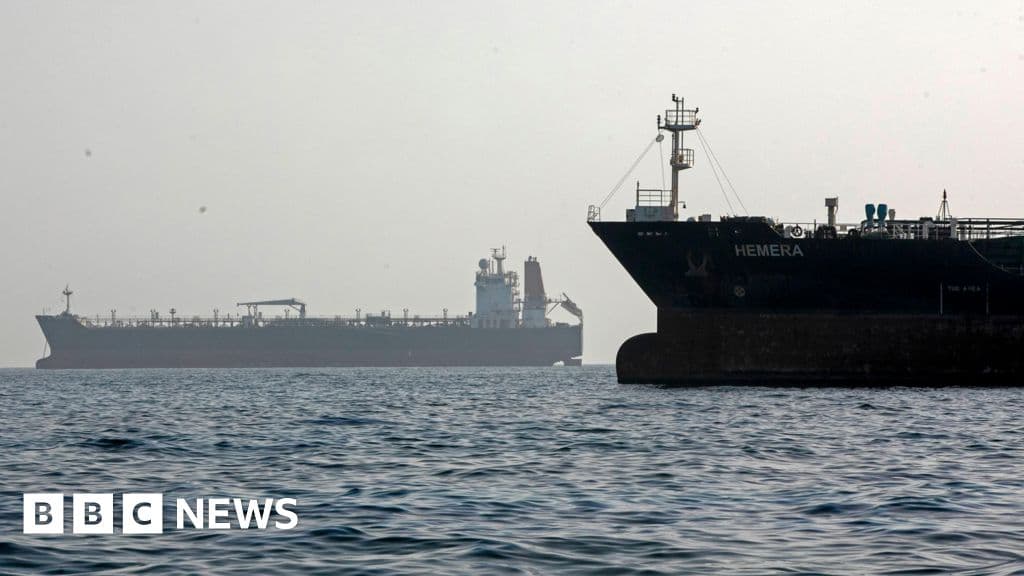
Tensions soar as the US and Iran engage in air strikes near the Strait of Hormuz, raising concerns over global oil supply and regional stability.

BBC World
Trump Faces Stalemate in International Military Strategy
Politics
Jun 1, 2026

Trump Faces Stalemate in International Military Strategy

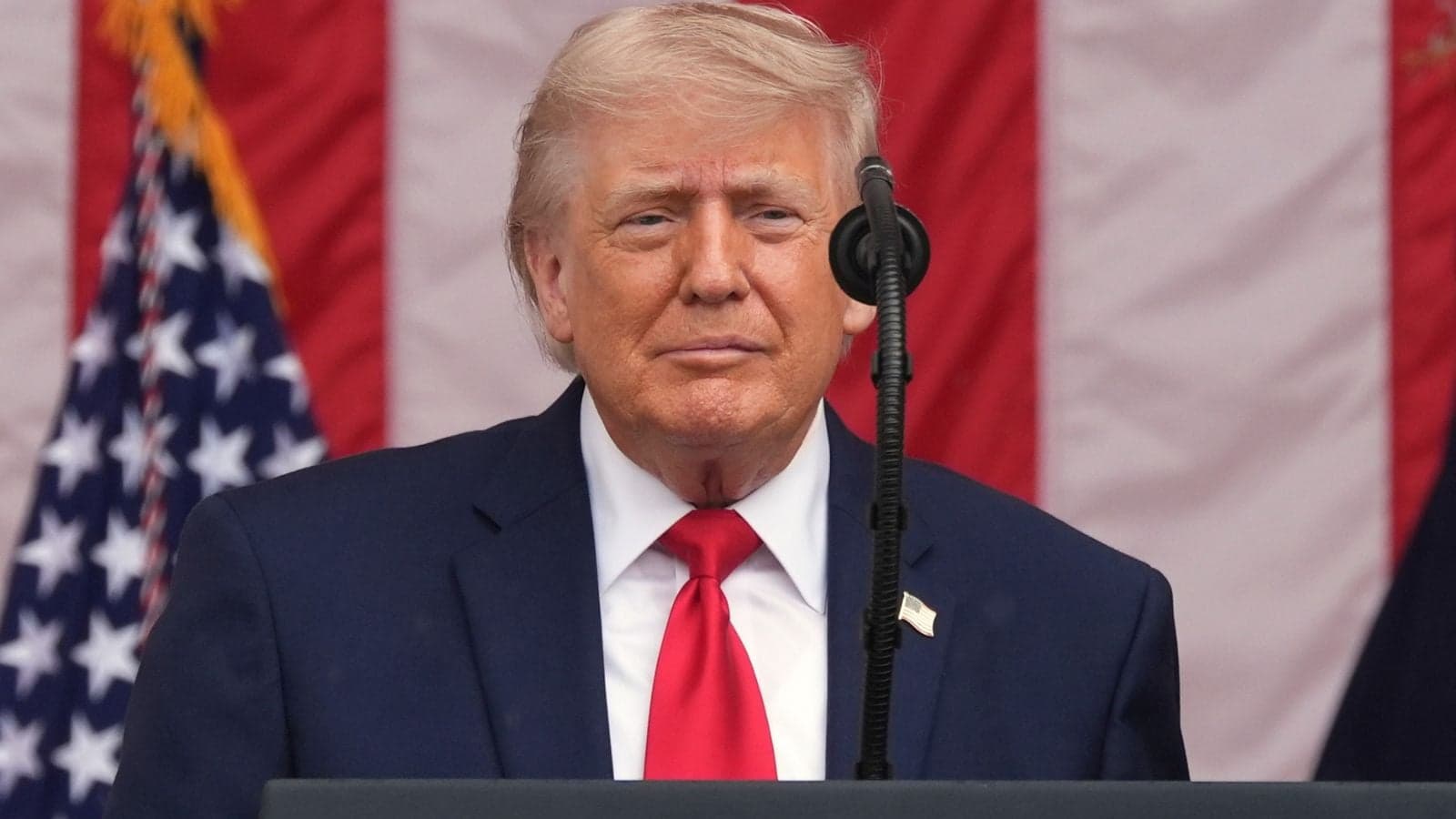
Trump's international interventions face serious stalemates. What will this mean for U.S. foreign policy? Explore the critical challenges ahead.

Indian Express
Tehran Denies Rumors of President Pezeshkian’s Resignation
Politics
Jun 1, 2026

Tehran Denies Rumors of President Pezeshkian’s Resignation

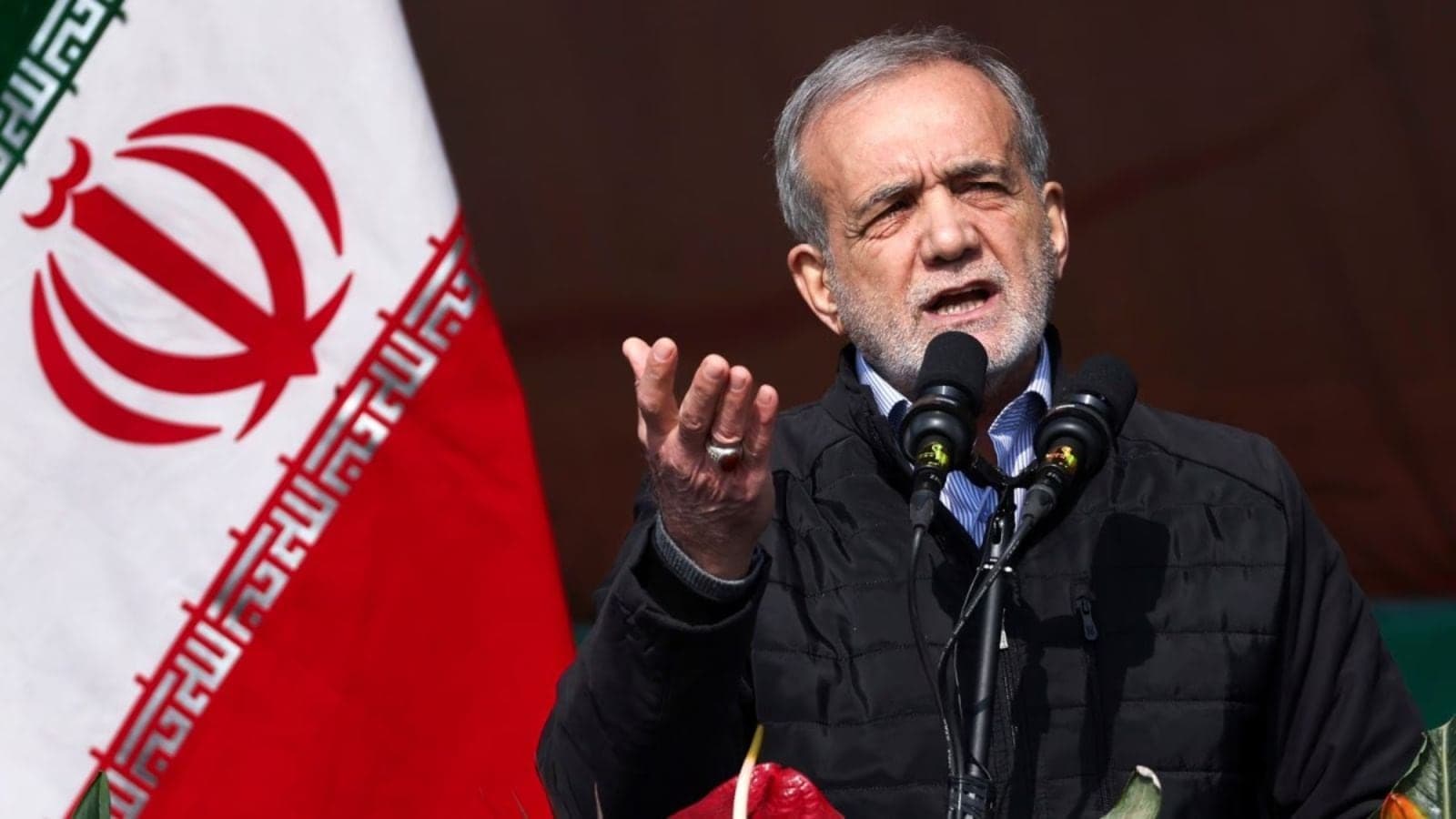
Tehran denies resignation of President Masoud Pezeshkian amid claims of IRGC influence. What does this mean for Iran's political stability? Click to learn more!

Indian Express

Categories

  • World
  • Technology
  • Business
  • Sports

More

  • Entertainment
  • Science
  • Health
  • Politics

Explore

  • Web Stories
  • About Us
  • Contact

Legal

  • Privacy Policy
  • Terms of Service
  • Disclaimer

© 2026 Glipzo. All rights reserved.