
Image: BBC World
Belgium plans to nationalize its nuclear power plants to secure energy supplies and reduce fossil fuel reliance. Discover the implications of this bold decision.
GlipzoBelgium is making headlines with a significant energy strategy shift, as the government announces plans to nationalize its nuclear power plants. This bold decision aims to enhance the country’s energy security and reduce dependency on foreign fossil fuel imports. Prime Minister Bart De Wever revealed that the government intends to purchase the nuclear fleet from French energy giant Engie, marking a new chapter in Belgium's energy landscape.
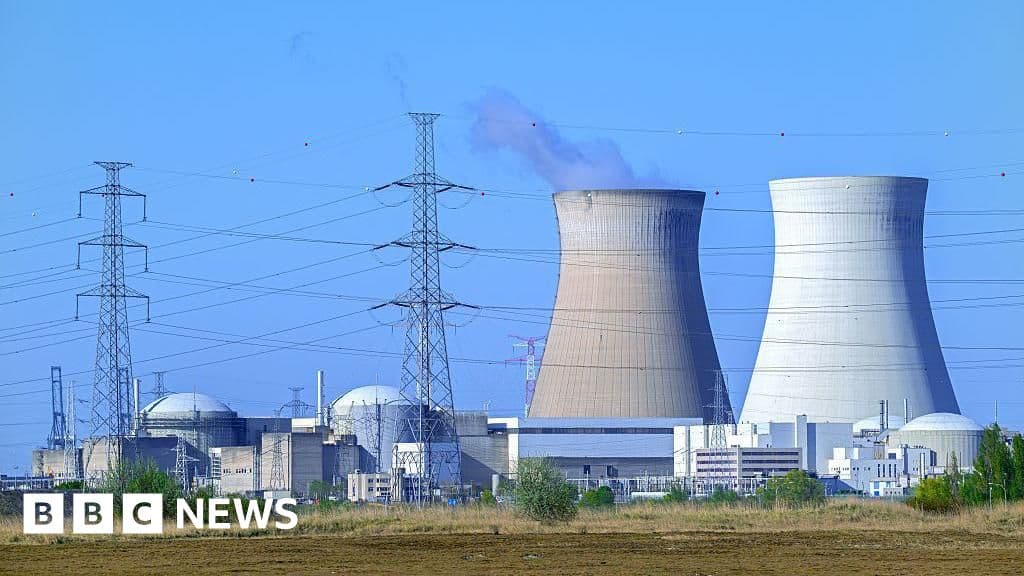
The proposed deal involves a complete takeover of Belgium’s seven nuclear reactors, which have been operating for decades. This move signifies a departure from earlier intentions to phase out nuclear energy, a decision based on safety concerns that originated in the early 2000s. Under previous regulations, plans were put in place to dismantle the reactors by 2025, limiting their operational lifespan to 40 years.
As a result of this takeover, the government will suspend the decommissioning plans and focus on extending the operational life of the existing reactors. Currently, only two reactors at the Doel and Tihange plants are operational, having recently received licenses that extend their operation until 2035. The remaining five reactors, which were shut down between 2022 and 2025, will remain inactive while the government reassesses their future.
In a statement posted on X, Prime Minister De Wever emphasized that this initiative is part of a broader strategy focused on safe, affordable, and sustainable energy. By gaining control over its nuclear supply, Belgium aims to bolster its energy independence and reduce reliance on imported fossil fuels.
The government’s announcement comes amid a wider trend in Europe, where several countries are reevaluating their nuclear energy policies. Belgium's decision reflects a growing recognition of nuclear energy's potential role in achieving climate goals and ensuring energy security. In a joint statement with Engie, the Belgian government expressed its commitment to developing new nuclear capacity, highlighting the importance of investing in a reliable energy future.
The nationalization of nuclear power plants is a critical step for Belgium, as it seeks to secure its long-term energy future. The government’s approach is not merely about maintaining existing infrastructure but also about fostering a financially viable energy sector that supports economic resilience and socio-economic prosperity.
This decision marks a significant turnaround from the previous stance on nuclear energy. With safety concerns and public opposition historically surrounding the use of nuclear power, the Belgian government is now tasked with addressing these fears while advocating for a renewed commitment to nuclear energy.
Reactions to this announcement have been mixed. Belgium's nuclear reactors have been a point of contention in the region, with neighboring countries expressing concerns about safety. For instance, the German city of Aachen raised alarms in 2017, offering iodine tablets to residents as a precaution due to fears about the Tihange reactors, which had faced shutdowns for safety checks related to cracks and leaks.
As Belgium moves forward with its nuclear strategy, it is essential to monitor how neighboring countries respond. The safety of nuclear operations and the government’s effectiveness in addressing public concerns will be critical factors in the success of this initiative.
Looking ahead, Belgium is positioned to enter a new era of energy strategy focused on nuclear power. The deadline for reaching an agreement with Engie is set for October 1, and the outcomes of this negotiation will be pivotal for the country’s energy future. As the government plans to extend the operational life of its reactors and develop new nuclear capabilities, it will need to balance safety, public opinion, and environmental implications.
The nationalization of nuclear power plants could serve as a model for other European nations grappling with similar energy challenges. As the continent strives toward greener energy solutions, Belgium’s approach may influence future energy policies across the region. The unfolding situation presents an opportunity for Belgium to redefine its energy landscape while ensuring that safety and sustainability remain at the forefront of its nuclear strategy.
In conclusion, Belgium's decision to nationalize its nuclear power plants is a transformative step that underscores its commitment to energy independence and sustainability. As the negotiations progress, all eyes will be on Belgium to see how it navigates the complexities of nuclear energy in the coming years.

Tensions soar as the US and Iran engage in air strikes near the Strait of Hormuz, raising concerns over global oil supply and regional stability.
BBC World
Trump's international interventions face serious stalemates. What will this mean for U.S. foreign policy? Explore the critical challenges ahead.
Indian Express
Tehran denies resignation of President Masoud Pezeshkian amid claims of IRGC influence. What does this mean for Iran's political stability? Click to learn more!
Indian Express