
Image: BBC World
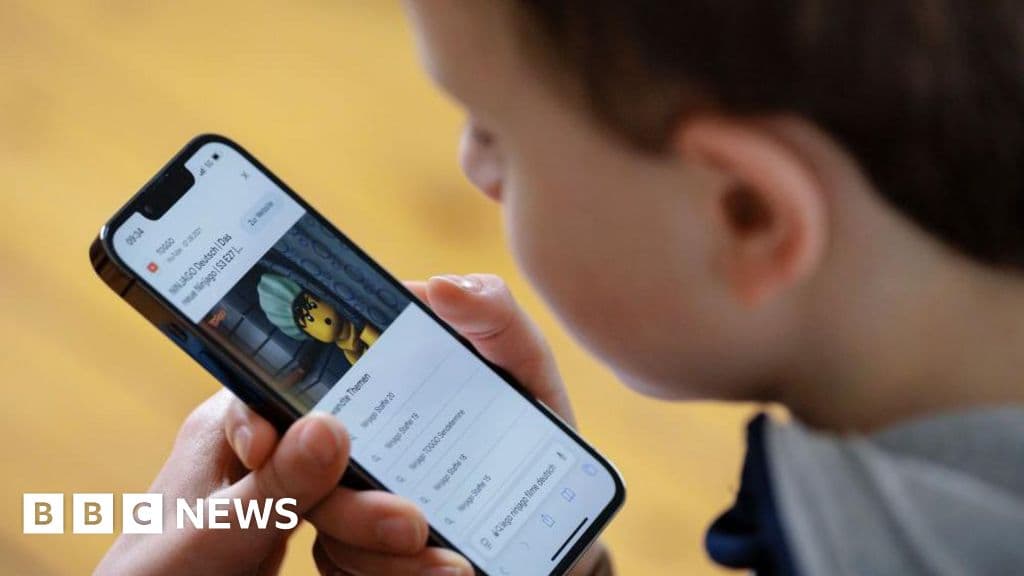
Austria plans a ban on social media for kids under 14, reflecting global concerns about online safety. What does this mean for digital protection of youth?
GlipzoAustria has unveiled an ambitious plan to prohibit social media access for children aged under 14, positioning itself as the latest country to grapple with the implications of young users online. This significant announcement came from Vice-Chancellor Andreas Babler of the Social Democrats, highlighting a growing global concern about the impact of social media on youth mental health.
The proposal is the result of extensive discussions within Austria's conservative-led three-party coalition government. However, the specifics regarding the implementation timeline and the operational mechanics of the ban remain unclear. Babler emphasized the necessity for politicians to take action, stating that it is unacceptable to observe children becoming "addicted and often ill" due to social media exposure. He drew parallels between digital risks and traditional dangers like alcohol and tobacco, asserting that there must be stringent regulations in the digital landscape as well.
In his announcement, Babler outlined the government’s intent to protect children from addictive algorithms that are prevalent on social media platforms. He argued that just as other sectors have established clear guidelines to safeguard young people from harmful influences, the digital realm must follow suit. This stance reflects a growing consensus among various nations regarding the potential hazards linked to unrestricted online access for minors.
Austria’s move resonates with recent developments worldwide. For instance, a jury in a landmark case in the United States recently concluded that two major social media platforms had intentionally designed addictive features detrimental to young users' mental health. These findings have heightened scrutiny on how social media companies manage user access, especially for those under 13, a demographic often barred from joining these platforms.
Austria's proposal is part of a broader trend, with various countries recognizing the need for stricter regulations around children's social media usage. Following Australia and France, nations such as Denmark, Greece, Spain, and Ireland are also exploring similar restrictions, each aiming to safeguard young users from the potential dangers of social media. Babler's announcement was met with support from French President Emmanuel Macron, who thanked Austria for joining this movement towards greater digital protection for youth.
Austrian Education Minister Christoph Wiederkehr, representing the liberal Neos party, reinforced the notion that social media can be harmful. He emphasized the importance of teaching responsible usage of these platforms. Meanwhile, Alexander Pröll, state secretary for digitalization from the conservative ÖVP, indicated that a draft bill outlining the ban’s specifics would be presented by the end of June. This draft is expected to include mechanisms for age verification when accessing social media, potentially utilizing an EU system if available.
Despite broad support for the proposed ban, it has not been without its critics. Christian Hafenecker, general secretary of the far-right Freedom Party, condemned the proposal, labeling it as a "direct attack on young people's freedom of expression and freedom of information." This highlights the ongoing debate about balancing safety and freedom in the digital age.
Political analyst Thomas Hofer noted that the government’s plans are resonating positively with the public. He mentioned that the coalition government is trying to project a sense of control in tumultuous times, with the social media ban being a straightforward point of agreement across political lines. This sentiment is particularly significant given the current challenges facing the government in other areas, such as the economy and rising costs of living.
The proposed ban on social media for children ties into broader educational reforms being discussed by the Austrian government. These reforms aim to enhance education on democracy and artificial intelligence while reducing the emphasis on traditional subjects like Latin. The intertwining of these initiatives suggests a holistic approach to addressing the challenges of the digital age, preparing students not only to navigate technology responsibly but also to understand its implications on society.
As Austria embarks on this journey, the world will be watching closely to see how these regulations are structured and enforced. The effectiveness of such measures in mitigating the risks associated with social media for children will be crucial in shaping future policies globally. Furthermore, the upcoming discussions surrounding age verification mechanisms and their implementation will be pivotal, potentially setting a precedent for other nations grappling with similar concerns.
As Austria prepares to draft and potentially implement its social media ban, the implications of this decision could ripple through the international community. Parents, educators, and policymakers worldwide are increasingly concerned about the impacts of social media on youth development. The outcomes of Austria’s endeavors may inspire further action in other countries, fostering a more protective environment for children in the digital landscape.
In conclusion, Austria's initiative represents a growing recognition of the necessity to safeguard children from the potential harms of social media. As this movement gains momentum, it will be essential to monitor the developments and responses from social media companies, parents, and the broader public.
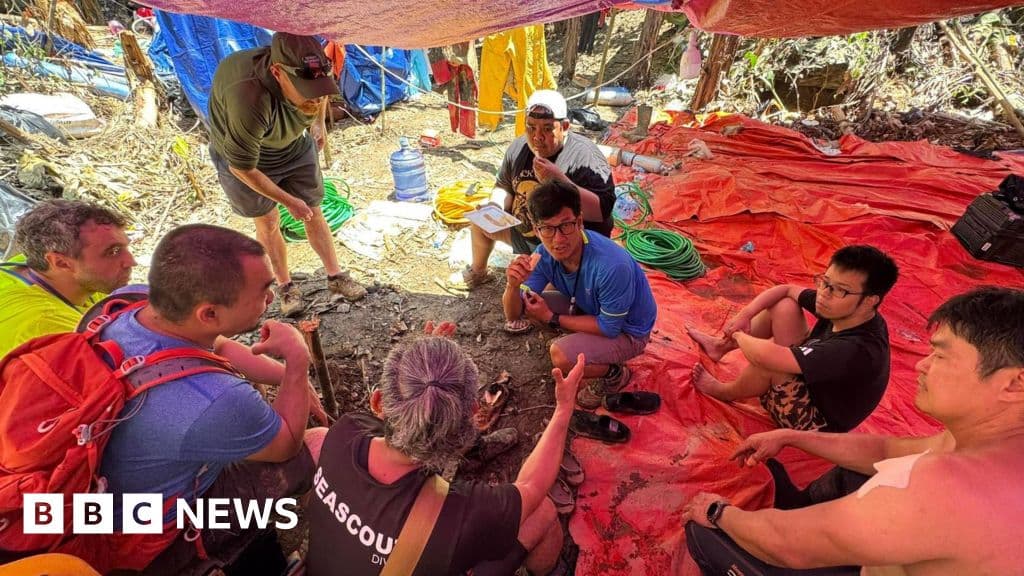
Survivors of the Laos cave rescue are aiding efforts to find the last two missing men trapped inside, sharing crucial insights for the search operation.
BBC World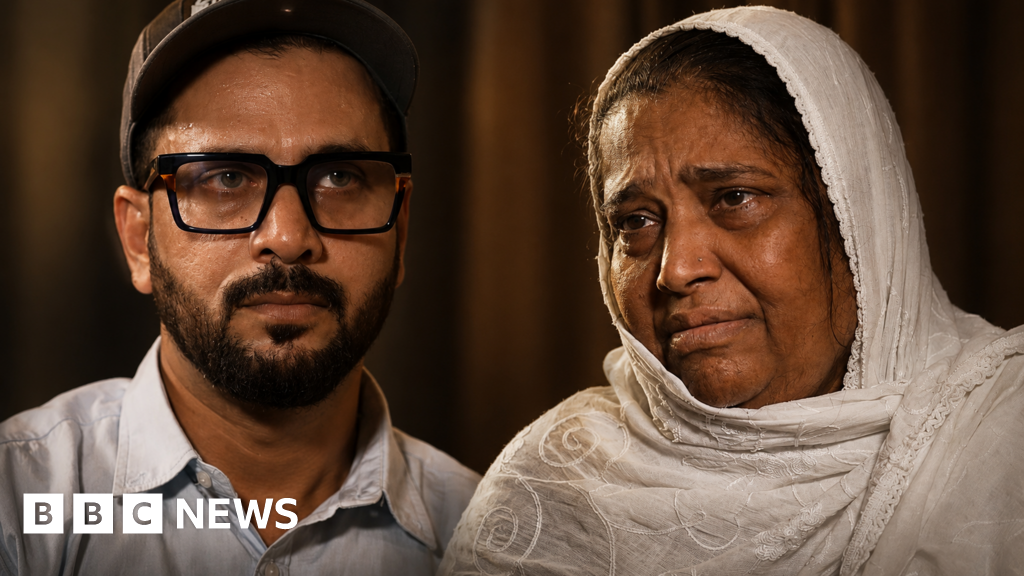
A year after the tragic Air India crash, the Ali family reflects on grief, unanswered questions, and the enduring bonds of love in the face of loss.
BBC Business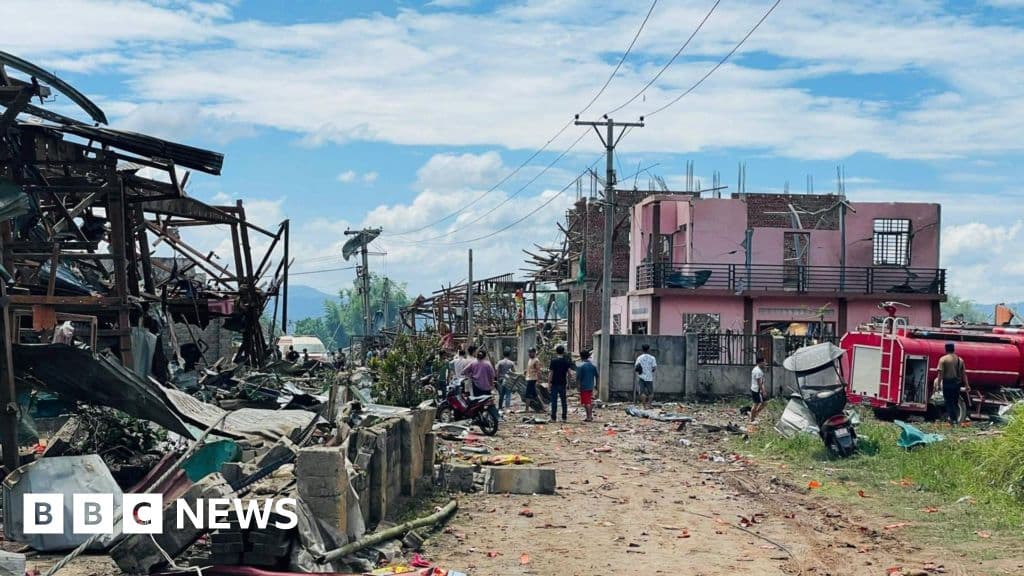
A devastating explosion in Myanmar's Kaung Tat village has killed at least 55 people, raising serious safety concerns and questions about civilian protection in conflict zones.
BBC World