
Image: BBC Health
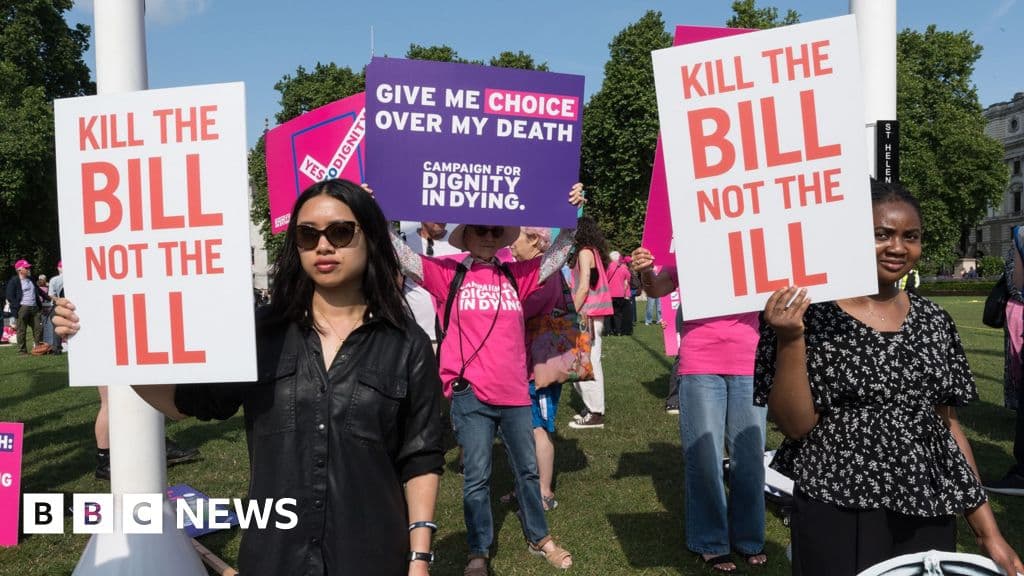
The assisted dying bill in England and Wales has stalled, but advocates vow to continue the fight for its return in the next parliamentary session.
GlipzoIn a significant turn of events, the proposed assisted dying bill for England and Wales has hit a roadblock, running out of time to become law. This legislation aimed to allow terminally ill adults, expected to die within six months, to seek medical assistance in ending their own lives. The bill had garnered support from Members of Parliament (MPs) nearly 17 months ago, but its journey has stalled in the House of Lords.
The Terminally Ill Adults (End of Life) Bill was initially passed in the House of Commons on November 29, 2024, with a majority of 55 votes in favor. It successfully navigated the Commons again on June 20 of the following year. However, the bill faced numerous challenges in the Lords, where it was subjected to an unprecedented 1,200 amendments, raising concerns about its provisions and potential loopholes.
Despite the setback, advocates for assisted dying remain undeterred. Kim Leadbeater, the Labour MP who introduced the bill, expressed her disappointment at its failure to progress but emphasized the strong desire among MPs to see the legislation revived. Speaking at a press conference, she stated, “This isn’t what democracy looks like,” criticizing some members of the House of Lords for utilizing tactics to delay its advancement.
Leadbeater assured supporters that many MPs are ready to take up the bill again in the next parliamentary session, slated to begin on May 13. She believes that over 200 MPs are willing to push for the bill, indicating a robust backing for this critical legislation.
Looking ahead, Leadbeater is optimistic about the bill’s chances of being reintroduced. She mentioned the possibility of employing the Parliament Acts, a rarely used legislative procedure that could facilitate the bill’s passage. If the Commons passes an identical bill again, the Lords would not be able to block it, enabling it to become law by the end of the second session.
This legislative tactic was last invoked in 2004 to enforce a ban on fox hunting, demonstrating its potential effectiveness in bypassing peer resistance. Leadbeater’s confidence in this strategy underscores the determination of supporters to see the bill through to fruition.
However, the bill has not been without its critics. Baroness Grey-Thompson, a crossbench peer and accomplished Paralympic athlete, voiced her opposition to the bill, citing significant flaws within its framework. She articulated her concerns regarding the potential risks it posed to vulnerable individuals, emphasizing the need for robust safeguards.
In her remarks, Grey-Thompson reflected on the hundreds of emails she received from disabled individuals thanking her for advocating their rights and highlighting the importance of protecting those who might feel pressured to end their lives prematurely. She stated, “It doesn’t give me any sense of satisfaction that this bill has failed because it doesn’t fix the problem that we’re trying to solve.”
During the debate in the Lords, Leadbeater was accompanied by individuals directly affected by terminal illnesses, including Sophie Blake, who is battling stage four secondary breast cancer, and Rebecca Wilcox, the daughter of broadcaster Esther Rantzen, who is grappling with lung cancer. Blake expressed her frustration, noting that the hope felt when MPs first supported the bill has been diminished by the actions of an “unelected and accountable group of individuals.”
Wilcox, however, remained optimistic about the future of the legislation, stating, “We’ve got the stamina, we’ve got the energy, we will do whatever it takes.” This sentiment echoes the determination of many advocates who believe that change is possible despite current challenges.
The discussion surrounding assisted dying is more than mere legislative maneuvering; it touches on profound ethical, moral, and personal considerations. It raises important questions about autonomy, the role of government in personal choices, and the responsibilities of society to protect its most vulnerable members. The future of this bill could set critical precedents for how terminal illnesses are approached within the healthcare system in the UK.
As supporters of assisted dying gear up for another legislative session, the dialogue surrounding this contentious issue is likely to intensify. With advocates prepared to mobilize and rally support, the impending parliamentary session could provide a renewed opportunity for significant change. What happens next will be pivotal not just for the individuals involved but for the broader societal debate on the rights of the terminally ill.
In conclusion, while the current legislative effort has faltered, the determination of supporters suggests that the conversation around assisted dying will continue to evolve. As the next session approaches, all eyes will be on Westminster, watching to see how this critical issue unfolds.

Tensions soar as the US and Iran engage in air strikes near the Strait of Hormuz, raising concerns over global oil supply and regional stability.
BBC World
Trump's international interventions face serious stalemates. What will this mean for U.S. foreign policy? Explore the critical challenges ahead.
Indian Express
Tehran denies resignation of President Masoud Pezeshkian amid claims of IRGC influence. What does this mean for Iran's political stability? Click to learn more!
Indian Express