
Image: Ars Technica
Apple's court victory over Musi app highlights its power to delist apps without cause. Discover the implications and what's next for Musi.
GlipzoIn a significant legal blow to the popular Musi music streaming app, a federal judge has ruled that Apple possesses the authority to remove apps from its App Store at any time, regardless of cause. This ruling comes after Musi, which has been downloaded over 66 million times, attempted to challenge its delisting through a lawsuit. The decision, issued by US District Judge Eumi Lee in the Northern District of California, was made public on October 12, 2024.
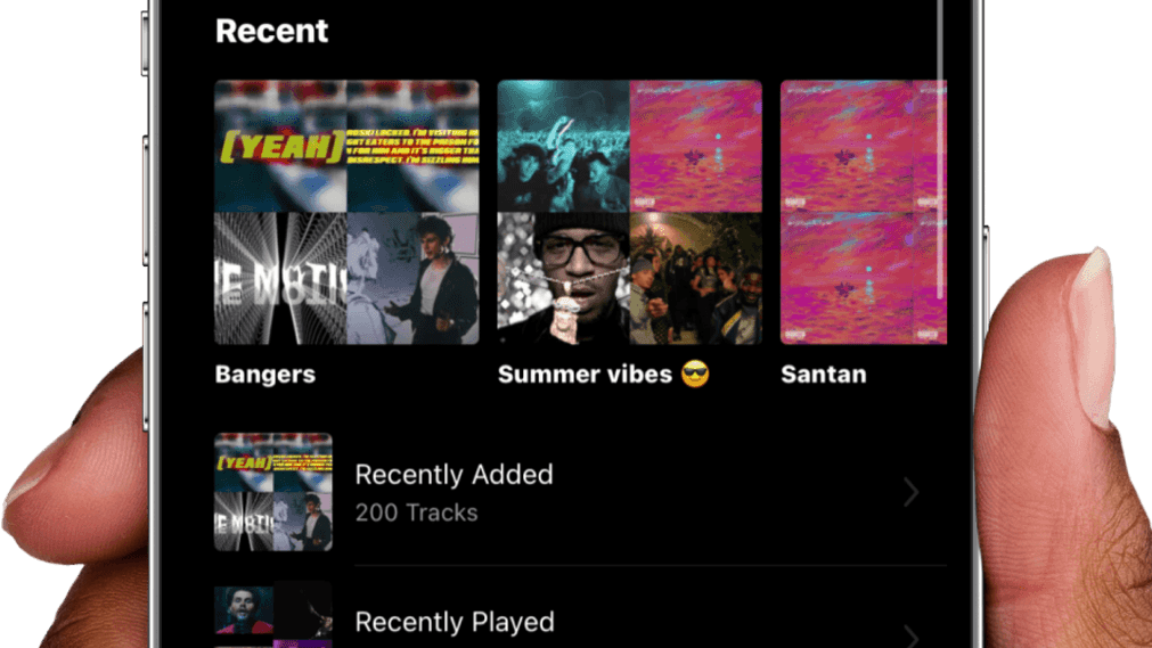
Musi, known for its free streaming service, had gained both a massive user base and controversy over its business model, which relied on streaming music from YouTube without direct agreements with copyright holders. The app allowed users to listen to music and create playlists but faced scrutiny over its method of acquiring content and the implications for artists.
The legal troubles began when Apple removed Musi from its App Store in September 2024, citing concerns over intellectual property violations stemming from its use of YouTube content. Musi claimed that it complied with YouTube’s terms of service and argued that Apple’s decision was based on unsubstantiated claims from YouTube. Moreover, Musi alleged that Apple violated its own Developer Program License Agreement (DPLA) by delisting the app.
In her ruling, Judge Lee emphasized the clarity of the DPLA, which permits Apple to cease the promotion and availability of any app “with or without cause” provided that proper notice is given. The judge stated, > “The plain language of the DPLA governs because it is clear and explicit: Apple may cease marketing, offering, and allowing download by end-users of the Musi app at any time, with or without cause, by providing notice of termination.” This ruling confirmed that as long as Apple provided the necessary notification, it acted within its rights when it removed the Musi app from circulation.
Musi's argument hinged on the belief that Apple was required to conduct a thorough review of YouTube’s complaints before determining whether the app infringed on intellectual property rights. However, Judge Lee clarified that the DPLA’s “reasonable belief” clause did not limit Apple’s overarching right to remove applications from its store. She dismissed the case with prejudice, which means Musi cannot amend its complaint or pursue legal action on the same grounds again.
Despite the setback, some Musi users have found ways to continue using the app, either through workarounds or by retaining older versions that were downloaded prior to its removal. The app’s simplistic interface has been praised for allowing users to listen to music and make playlists easily, even as it navigates the complexities of copyright law.
The ruling has far-reaching implications not only for Musi but for the entire app ecosystem. It underscores the significant power that tech giants like Apple wield over the apps available in their stores. For developers, it highlights the importance of understanding and complying with the legal agreements that govern app distribution.
Here are some key takeaways from this legal development: - Developers Must Adhere to Terms: Apps must operate within the constraints of the agreements set forth by platform holders. - App Store Monopoly: The decision reinforces concerns about the monopolistic control that companies like Apple hold over app distribution. - User Experience at Risk: Users may find their favorite apps removed without warning, leading to frustration and potentially diminished access to services they enjoy.
As Musi grapples with the consequences of this ruling, the future remains uncertain. The app's developers may need to re-evaluate their business model and seek alternative methods of delivering content that comply with copyright laws. Additionally, this case could inspire other developers to scrutinize their agreements with Apple and consider legal strategies to safeguard their apps.
The tech industry is on watch as more developers question the balance of power between app creators and platform owners. Future lawsuits may arise as developers seek to challenge perceived injustices in how app stores operate. As for Musi, it remains to be seen how the company will adapt and whether it can regain a foothold in a competitive market that is increasingly governed by stringent copyright considerations.
In conclusion, while Musi faces a challenging road ahead, the case serves as a critical reminder of the complexities surrounding app distribution and the legal landscapes that developers must navigate in today’s digital age.

Nvidia's new RTX Spark chip aims to transform personal computing with AI, marking a significant shift in technology. Discover what this means for consumers.
BBC Business
The explosion of Blue Origin's New Glenn rocket raises significant concerns over NASA's lunar ambitions and the future of Amazon's satellite projects. Discover the implications.
BBC Science
Discover how Meta's lack of engagement on user bans raises critical concerns about accountability and transparency in social media governance.
BBC Technology