
Image: Indian Express
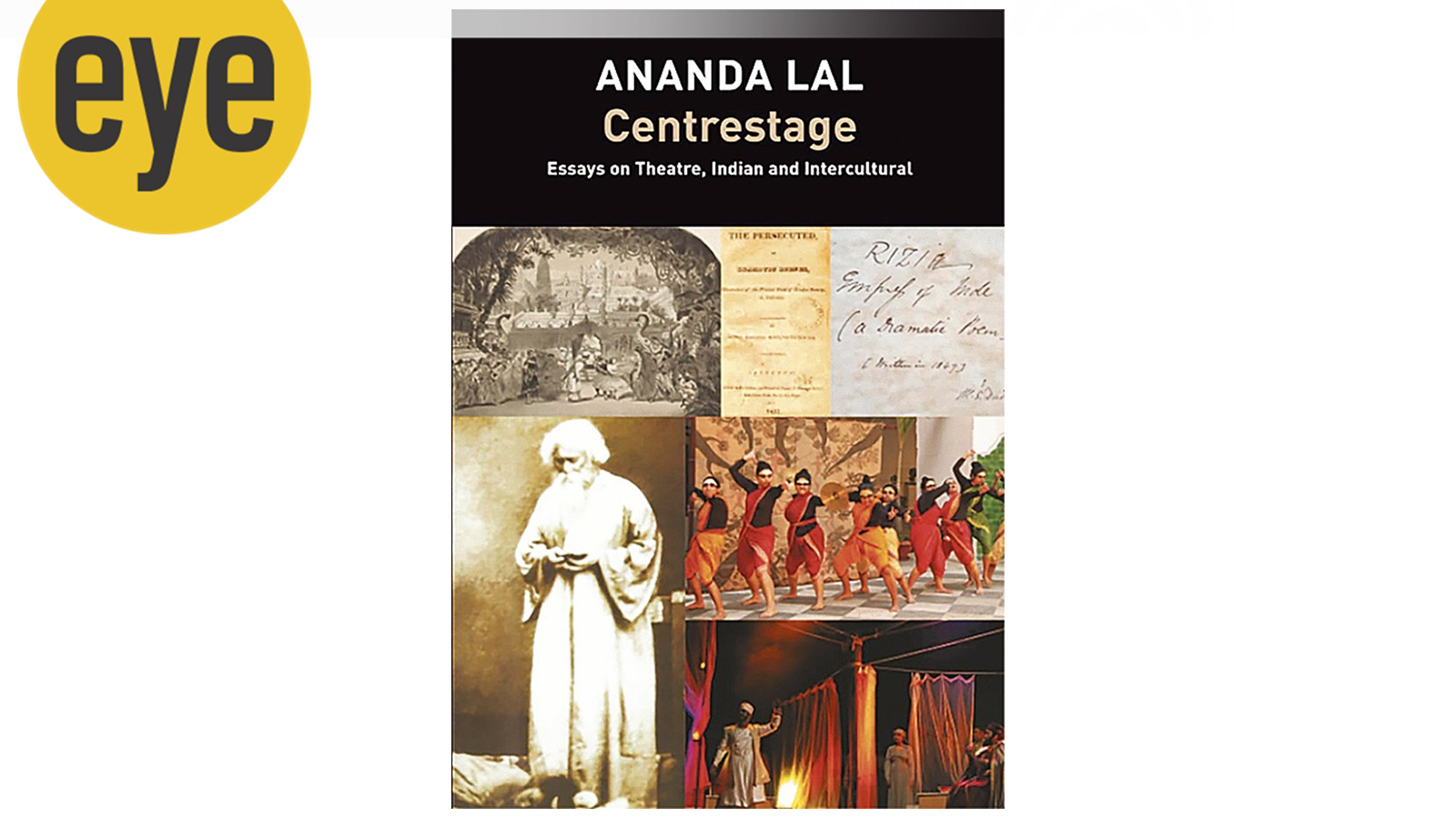
Ananda Lal's new book, Centrestage, challenges narratives in Indian theatre history, urging critical engagement and highlighting interculturalism. Discover why it matters.
GlipzoAnanda Lal, a renowned literary scholar and drama critic, has recently published a groundbreaking book titled Centrestage: Essays on Theatre, Indian and Intercultural. This collection of essays not only revisits the rich tapestry of Indian theatre but also challenges existing narratives surrounding its history. With a keen focus on interculturalism and a critical lens on academic scholarship, Lal's work is poised to reshape how we understand and engage with theatre in India.
In Centrestage, Lal's primary goal is to rouse the theatre community from its complacency towards academic discussions. He urges artists, scholars, and enthusiasts to actively participate in reshaping the narrative of Indian theatre, emphasizing the need for rigorous documentation of theatrical trends. As he notes, the ephemeral nature of theatre necessitates a proactive approach to preserving its history and practices. He points out the increasing presence of international collaboration in Indian productions, highlighting that while these interactions may be well-intentioned, they often lack depth and critical engagement.
Lal dedicates a significant portion of his book to exploring interculturalism as a critical theme in contemporary theatre. He reflects on its evolution, referencing influential productions such as Peter Brook's Mahabharata. By providing detailed case studies, Lal illustrates how interculturalism is not just a modern phenomenon but has historical roots that deserve exploration. His essays, many of which are derived from his extensive research for introductions to various plays, have been meticulously restructured to stand alone, demonstrating his profound engagement with the theatrical landscape.
One of the book's most compelling chapters is Chapter 8: Interrogating the Academic Representation of India, where Lal meticulously critiques existing publications for inaccuracies and misrepresentations. He calls out notable works like the Guide to Theatre and Illustrated History of Theatre, advocating for a more nuanced understanding of Indian theatre that goes beyond surface-level interpretations. This chapter invites readers to re-evaluate how Indian theatre is portrayed in academic circles and encourages a shift towards more accurate and representative scholarship.
Another fascinating aspect of Centrestage is Lal's archival research into 19th-century Indian drama. He delves into three pivotal texts: KM Banerjea's The Persecuted (1831), Michael Madhusudan Dutt’s Rizia; Empress of India (1849-1855), and Kaminee (1874). Through his research, Lal uncovers obscure sources, family archives, and the lineage of lesser-known playwrights, including G Ritchie, author of Kaminee. His pursuit of these historical narratives adds a rich layer to our understanding of Indian theatre's evolution and its socio-political contexts.
Lal's examination doesn’t stop there. He continues with chapters that trace the historiography of modern Indian theatre, placing Rabindranath Tagore at the forefront. He also discusses the political dimensions of theatre, particularly in the 1970s, using examples like Utpal Dutt's Barricade (1972). Through this lens, Lal reveals how certain plays, despite their popularity, were often overlooked in the broader narrative of Indian theatre due to their challenging political content.
In a forward-looking segment, Lal introduces contemporary dramatic texts and productions emerging from Kolkata that reflect socio-political themes with a focus on women’s perspectives. He identifies the post-pandemic theatre landscape as a dynamic space where new voices are emerging, and innovative storytelling is taking shape. His writing, characterized by clarity and accessibility, invites a wider audience to engage with these themes without the barriers of academic jargon.
Lal's approach is both a recovery of the past and a critique of the present, as he balances what is positive about Indian theatre with necessary criticisms. His anecdotes and personal reflections enhance the reading experience, making his arguments not only persuasive but also enjoyable.
The significance of Centrestage lies not just in its scholarly contributions but also in its call to action. Lal's work is a reminder of the importance of critical engagement in the arts and the necessity for artists and scholars to collaborate in constructing a more inclusive and accurate narrative of Indian theatre. By challenging the status quo, Lal encourages a re-evaluation of how theatre is perceived, studied, and celebrated.
As theatre continues to evolve, Centrestage serves as a crucial resource for understanding the complexities of intercultural exchanges, historical texts, and the socio-political landscape of contemporary productions.
The publication of Centrestage signals a pivotal moment in the discourse surrounding Indian theatre. Moving forward, it is essential to watch how Lal's insights are received by the theatre community and academia alike. Will his call for critical engagement inspire a new wave of scholarship? How will emerging playwrights and directors respond to the challenges and opportunities highlighted in his essays?
As Indian theatre navigates its future, Ananda Lal's voice will undoubtedly continue to resonate, encouraging a more profound understanding of the art form's history and potential. The conversation he has initiated is just the beginning, and the implications of his work will likely shape the landscape of Indian theatre for years to come.

Zahan Kapoor reveals an unconventional role in his upcoming film, signaling a significant shift from his breakout success in Black Warrant. What’s next for this rising star?
Bollywood Hungama
Discover how Vishal Jethwa is transforming his physique for Shakti Shalini, emphasizing the mental discipline behind peak fitness.
Bollywood Hungama
Discover the dark truths of urban development in Kammatipaadam, a film that reveals the often-overlooked sacrifices behind city growth.
Indian Express