
Image: BBC World
Avalanche deaths in the Alps exceed 100 this season, sparking safety concerns and scrutiny of unprepared skiers. What does this mean for the ski community?
GlipzoIn a shocking turn of events, over 100 people have lost their lives to avalanches across the Alps this ski season, marking a grim statistic not witnessed in the past eight years. This alarming trend raises concerns not just about the severity of weather conditions but also about the preparedness of skiers venturing into these treacherous terrains.
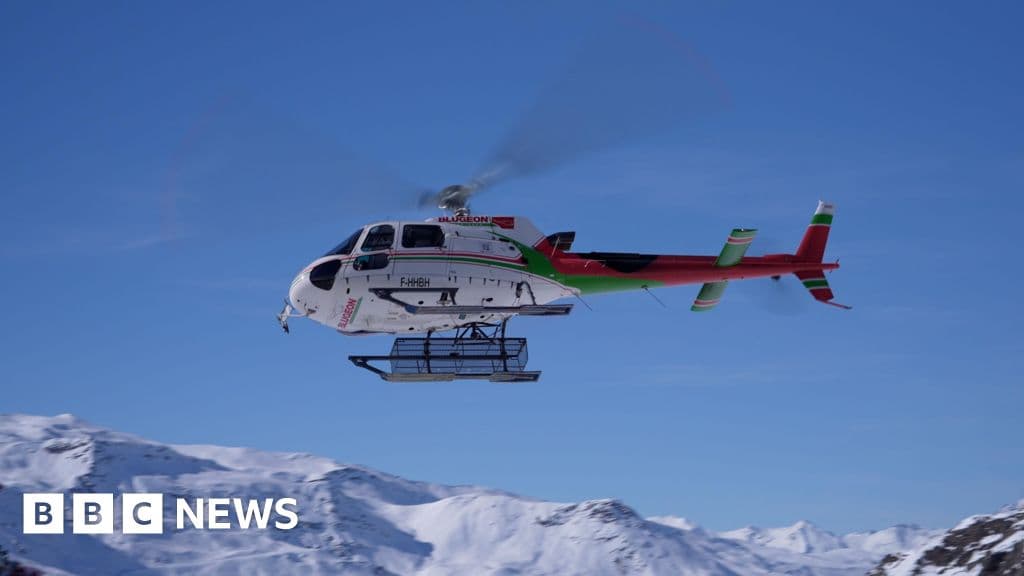
The European Avalanche Warning Services reports that the current season has been particularly perilous, with factors like unstable snow packs and changing weather patterns contributing to the increased risk. From the skies above, one can see the marks left by recent avalanches, a haunting reminder of the dangers lurking in these picturesque mountains.
As we observe skiers navigating the slopes below, the beauty of the Tarentaise Valley captivates, but that beauty can be deceiving. Frédéric Bonnevie, a seasoned mountain patroller, highlights the impact of climate change, noting that while winters are becoming shorter, the risk of avalanches is climbing due to unstable snow conditions.
Bonnevie emphasizes that the controlled conditions on marked pistes do not extend to off-piste areas, where many skiers are finding themselves in dangerous predicaments. Stéphane Bornet, director of the French snow safety association, Anena, points out that many victims were experienced skiers who lacked crucial safety equipment.
The statistics are alarming: skiers equipped with transceivers have a 70% survival rate if caught in an avalanche. However, without such equipment, the odds drop dramatically to 20%. The critical first 16 minutes after being buried are vital; delay in rescue efforts can be fatal.
As local patroller Pierre Boulonnais shares his experiences, he reflects on the unpredictable nature of avalanches. Despite being well-versed in the terrain, he acknowledges that even the most prepared can find themselves in perilous situations. He stresses the importance of carrying rescue equipment and skiing in groups, yet he also recognizes the role of chance in these incidents.
Digging in the snow, Boulonnais demonstrates the hidden dangers beneath the surface, explaining the significant weight that can be exerted by seemingly harmless layers of snow. His insights shed light on the physical forces at play, particularly the differences between wet and dry snow, which can change the dynamics of an avalanche.
The media has been rife with reports of avalanche incidents, including the tragic discovery of two female skiers found buried in La Chapelle d'Abondance. Compounding these tragedies, sixty-four individuals were airlifted from a village in Isère after being cut off due to heavy snowfall, with one local likening the scene to “the depths of Siberia.”
As climate change continues to stir questions about safety in the mountains, there are growing calls to hold unprepared skiers accountable, particularly those from abroad. With British tourists constituting a significant portion of ski visitors, the conversation around safety is becoming increasingly pertinent, especially among those who frequent the area.
Skiers like Bella, who frequently visit the Alps, express heightened anxiety over avalanche risks. Recent social media stories about avalanches have made many reconsider their skiing plans, revealing the psychological impact these events have on the community.
The avalanche risk is categorized on a scale of one to five, with five indicating extreme danger. As conditions fluctuate, skiers are left to navigate these ratings, often feeling the weight of responsibility for their safety.
The rising death toll from avalanches in the Alps underscores a crucial message about the intersection of weather conditions and skier preparedness. As climate change alters snow conditions, the need for effective safety measures becomes increasingly important. Skiers must prioritize awareness and proper equipment to navigate these beautiful yet dangerous environments safely.
Moving forward, it will be essential to promote education around avalanche safety and encourage all skiers, especially those new to the mountains, to familiarize themselves with the risks and necessary precautions.
As the ski season progresses, attention will remain focused on how authorities and ski resorts respond to this alarming trend. Future measures may include: - Increased safety campaigns to educate skiers about the dangers of avalanches. - Mandatory safety equipment checks for skiers heading off-piste. - Enhanced monitoring of weather and snow conditions to provide real-time updates to visitors.
The coming weeks will reveal how resorts adapt to these challenges and whether they can effectively reduce the risks that continue to claim lives in the majestic yet perilous Alps.

Rajat Patidar leads RCB to back-to-back IPL titles! Discover his leadership insights and goals for a historic third title in the upcoming season.
Indian Express
Gujarat Titans' Vikram Solanki reflects on their IPL 2026 final loss, acknowledging shortcomings and praising RCB's performance. What’s next for GT?
Indian Express
Virat Kohli and Anushka Sharma celebrate RCB's IPL 2026 victory with joy and emotion. Discover the highlights of this unforgettable night!
Indian Express