
Image: BBC World
Alberta is set to hold a pivotal referendum on October 19, 2023, to decide its future within Canada amidst rising independence sentiments.
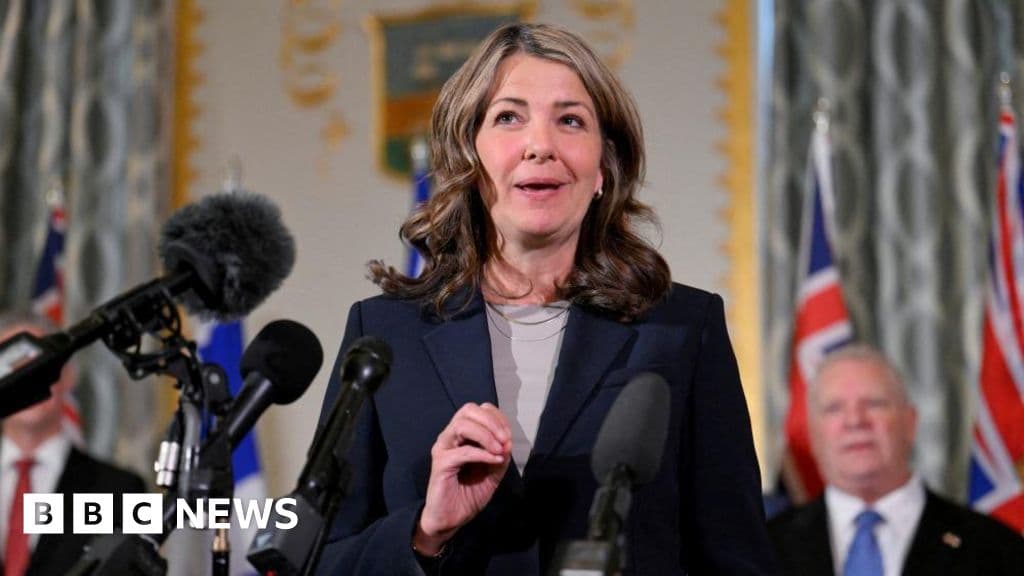
GlipzoIn a historic move, Alberta is set to hold a referendum on October 19, 2023, to determine whether the province should remain a part of Canada or initiate a legal process for separation. This announcement by Premier Danielle Smith signals a critical moment in the relationship between the province and the federal government, as Albertans grapple with feelings of neglect from Ottawa.
The referendum comes on the heels of a citizen-led petition that amassed over 300,000 signatures supporting independence, alongside another petition advocating for Alberta's continued participation in Canada, which garnered more than 400,000 signatures. This debate is not merely academic; it reflects deep-seated frustrations within the province over perceived inequities in resource management and political representation.
Alberta's independence movement has gained momentum in recent years, driven by a belief that the province's interests are consistently overlooked. Opinion polls suggest, however, that a majority of residents may oppose independence, indicating a complex landscape of opinion.
In her announcement, Premier Smith posed the referendum question directly to Albertans: “Should Alberta remain a province of Canada or should the Government of Alberta commence the legal process required under the Canadian Constitution to hold a binding provincial referendum on whether or not Alberta should separate from Canada?” Her own stance is clear—she intends to vote for Alberta's continued membership in Canada, a position that aligns with her government.
However, the premier expressed concern over a recent court ruling that halted the verification of the separation petition due to claims from indigenous First Nations groups regarding insufficient consultation. “As Premier, I will not have a legal mistake by a single judge silence the voices of hundreds of thousands of Albertans,” Smith stated passionately, emphasizing that the future of Alberta should be decided by its citizens, not the courts.
Smith's decision to hold the referendum comes after considerable pressure from separatist factions within Alberta, who have long felt sidelined in national discussions. Jeffrey Rath, a lawyer who supports independence, criticized the premier's approach, suggesting that she has alienated her core supporters by presenting a referendum question that lacks genuine commitment to the cause.
The backdrop of this political maneuvering is Canada's historical struggle with regional independence movements, particularly in Quebec, which voted against separation in 1995 by a narrow margin. The aftermath of that referendum led to the establishment of the Clarity Act, which sets the groundwork for any future independence bids, ensuring a clear majority and transparent processes.
Should the referendum reveal substantial support for separation, Alberta would face a rigorous and potentially contentious pathway to independence. Prime Minister Mark Carney has emphasized that any separation would necessitate adherence to the Clarity Act, which mandates clear questions and oversight from the federal government, making the process fraught with legal and political challenges.
The implications of this referendum extend beyond Alberta. If successful, Alberta's separation could set a precedent for other provinces feeling similarly marginalized, reshaping the Canadian federation's landscape. The province's perceived contributions to the national economy, particularly through its oil and gas industries, have fueled resentment towards what many see as Ottawa's detrimental policies toward resource development.
The upcoming referendum is not just about Alberta's future; it reflects broader issues of regional autonomy, governance, and the relationship between provinces and the federal government. This critical moment serves as a reminder of the delicate balance that exists in a diverse nation like Canada, where local interests can at times clash with national priorities.
As Alberta moves forward, the outcome of this referendum could redefine its political landscape and influence discussions surrounding provincial rights and resource management on a national scale. For residents and leaders alike, the stakes are high, and the discussions surrounding independence will likely continue to evolve, regardless of the referendum's outcome.
Looking forward, the October referendum will undoubtedly stir debates and discussions across Canada. Observers will be keenly interested in how the vote unfolds and what it might mean for Alberta and its relationship with the rest of the nation. Should Alberta choose to pursue independence, the negotiations with Ottawa will likely be complex and protracted, underscoring the need for a careful and considered approach to all aspects of this significant political issue.
In conclusion, Alberta's referendum stands as a defining moment not just for the province, but for the entire country, as it navigates the challenges of unity and regional independence. The eyes of Canadians will be on Alberta, awaiting the decision that could reshape the future of the nation.

Tensions soar as the US and Iran engage in air strikes near the Strait of Hormuz, raising concerns over global oil supply and regional stability.
BBC World
Trump's international interventions face serious stalemates. What will this mean for U.S. foreign policy? Explore the critical challenges ahead.
Indian Express
Tehran denies resignation of President Masoud Pezeshkian amid claims of IRGC influence. What does this mean for Iran's political stability? Click to learn more!
Indian Express