

Image: Times of India
Discover the emotional farewell of Harish Rana as AIIMS begins passive euthanasia, raising crucial discussions on patient rights and medical ethics.
GlipzoIn a poignant moment for the medical community and beyond, Harish Rana, a patient at the All India Institute of Medical Sciences (AIIMS), has entered the final chapter of his life as the hospital commences passive euthanasia. This decision, made on October 12, 2023, marks a significant event in the ongoing discussions surrounding end-of-life care in India. As the family of Rana prepares to say goodbye, his last words, "It's time to go now, okay?", encapsulate the emotional gravity of the situation, drawing attention to the complexities of medical ethics and patient autonomy.
Passive euthanasia involves the withdrawal of life-sustaining treatments, allowing a patient to pass away naturally. This practice has sparked considerable debate in India, particularly following the landmark Supreme Court ruling in 2018 that legalized living wills and passive euthanasia under strict guidelines. The case of Harish Rana sheds light on the practical application of these laws, as families grapple with the heart-wrenching decision to cease treatment for loved ones facing terminal conditions.
In Rana’s case, he had been battling a chronic illness that severely affected his quality of life. His family, while heartbroken, recognized the futility of further medical intervention. This situation raises critical questions regarding patient rights, the role of healthcare providers, and the ethical implications of ending a life that is sustained through medical technology.
As AIIMS began this process, Rana's family was by his side, navigating their grief amidst the medical protocols. The emotional farewell highlighted the profound love and connection that families share during such trying times. According to a close family member, Rana’s courage in facing his mortality has inspired many, reminding us all of the delicate balance between life and death.
The heart-wrenching nature of Rana's situation has drawn attention to the broader implications of passive euthanasia laws, urging society to reflect on how we treat end-of-life scenarios in a medical setting.
The case also serves as a vital touchpoint for discussions around medical ethics. While Indian law permits passive euthanasia, it mandates stringent adherence to protocols to ensure that decisions are made with the utmost respect for patient autonomy. This means that healthcare providers must assess the situation thoroughly, considering the patient’s wishes along with their medical condition.
Furthermore, the enactment of passive euthanasia laws has not come without controversy. Critics argue that it may pave the way for misuse or coercion in vulnerable populations. However, advocates stress the importance of providing individuals with the dignity of choice at the end of their lives, particularly in cases where suffering becomes unbearable.
Rana’s story resonates beyond the confines of the hospital; it touches on the universal human experience of facing mortality. The decision to initiate passive euthanasia reflects a growing acknowledgment of individual rights in the healthcare system, paving the way for more compassionate approaches to end-of-life care. As India continues to evolve its medical practices, the case of Harish Rana serves as a crucial reminder of the ethical responsibilities that come with such profound decisions.
As we move forward, the implications of Harish Rana’s case may influence future discussions around passive euthanasia and patient rights in India. The increasing acceptance of these practices could lead to more transparent conversations about death and dying, empowering families to make informed decisions that align with their values and beliefs.
Healthcare providers may need to enhance their training regarding such sensitive topics, ensuring that they are equipped to support families during these heart-wrenching moments. As society continues to confront the realities of aging and chronic illness, the importance of compassionate care will only grow.
In conclusion, Harish Rana’s farewell is not just a personal story; it is a pivotal moment in the ongoing dialogue about life, death, and the rights of patients in India. The impact of this case may well resonate for years to come, prompting further advancements in how we understand and navigate the complexities of end-of-life care.
Shocking findings from Nottingham's maternity unit reveal a toxic culture and alarming neglect. What can be done to improve care? Discover the details.
BBC Health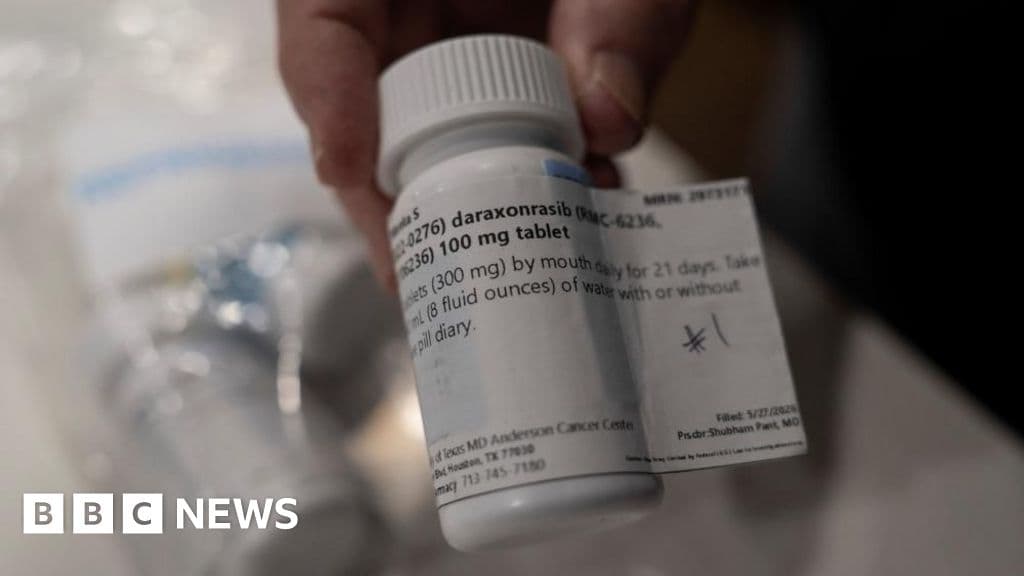
Discover how daraxonrasib, a new pill, is nearly doubling survival rates for pancreatic cancer patients, offering hope in a challenging battle against this deadly disease.
BBC Health
Waste companies propose a £5 deposit on vapes to encourage proper disposal and curb littering as the environmental impact of vapes increases.
BBC Business