
Image: Ars Technica
Afroman wins a defamation lawsuit against police, highlighting free speech rights and the complex relationship between artists and law enforcement.
GlipzoIn a landmark ruling on Wednesday, October 18, 2023, rapper Afroman emerged victorious in a defamation lawsuit filed by seven police officers from the Adams County Sheriff's Office. The officers claimed that Afroman's music videos, which humorously depicted the fallout from a 2022 raid on his home, had caused them humiliation and death threats. The raid, which resulted in no charges and uncovered no marijuana, was recorded using security camera footage and clips from Afroman's wife.
The lawsuit was sparked by several tracks, including the viral hits “Lemon Pound Cake,” “Why You Disconnecting My Video Camera,” and “Will You Help Me Repair My Door.” The officers sought damages that totaled as much as $1.5 million, alleging that Afroman’s portrayal of the raid had defamed their character. However, Afroman's attorney, David Osborne, argued that the case was fundamentally about the First Amendment, emphasizing that the officers had no one to blame for their reputational issues but themselves.
During the trial, Afroman took the stand, delivering an emotional defense that captivated the jury. He stated, “They broke into my house, put themselves onto my video cameras, and into my music career.” His testimony highlighted the absurdity of the police's claims, asserting that if they had not conducted the raid, there would be no basis for the lawsuit. Afroman expressed his dismay at the police's efforts to stifle his freedom of expression. “I don’t go to their house, kick down their doors, flip them off on their surveillance cameras, then try to play the victim and sue them,” he declared.
The jury's deliberation lasted just a few hours, and they ultimately ruled in Afroman’s favor on all claims. As the verdict was announced, tears of relief streamed down his face, illustrating the emotional weight of the moment. “I’m just happy,” he exclaimed, celebrating the victory as a triumph for free speech in America.
The defense team’s argument centered around the notion that police officers, as public officials, should be accustomed to criticism, particularly from public figures. Afroman's counsel emphasized the absurdity of expecting the public to interpret his comedic music as factual statements. Notably, Afroman is best known for the lighthearted song “Because I Got High.”
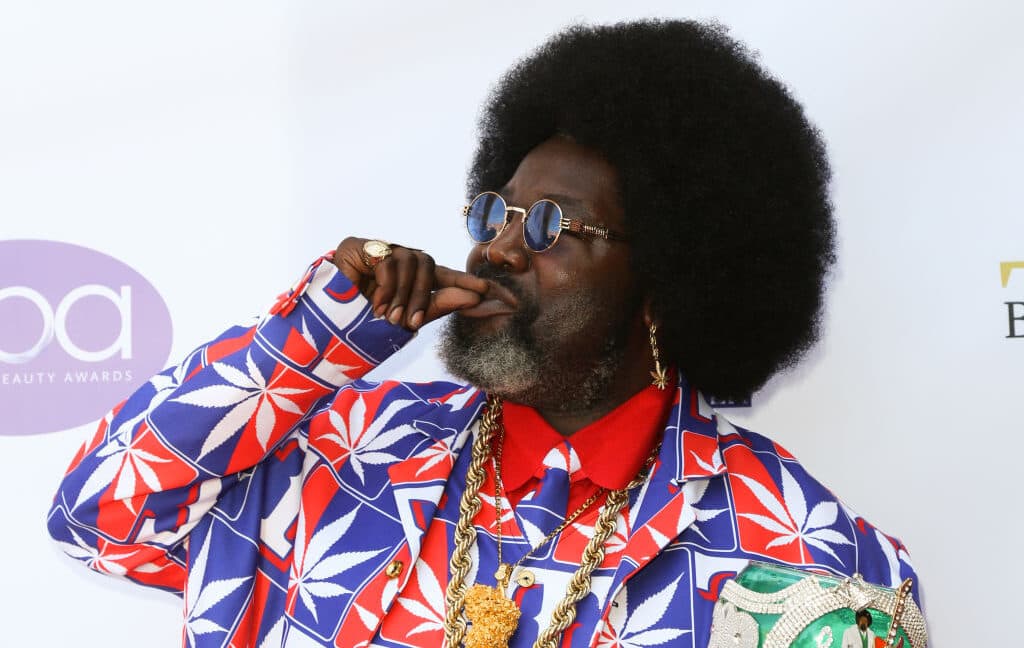
Osborne also pointed out Afroman's flamboyant attire during the trial—an eye-catching suit adorned with the American flag and matching sunglasses—implying that his appearance alone indicated he was not to be taken seriously as a purveyor of truth. “Look at that suit,” Osborne remarked. “Does this look like a man who thinks that everybody’s going to assume that everything he’s saying is fact?”
Following the ruling, Afroman celebrated outside the courthouse, donning his distinctive outfit and proclaiming, “We did it America! God bless America, land that I love!!! Freedom of speech!!!!!!!!!!!” His exuberance resonated with many on social media, where clips from the trial and celebratory posts quickly went viral. Fans and supporters applauded Afroman for standing up against what they perceived as an overreach by law enforcement.
However, not all reactions were positive. Some critics resurfaced past images of Afroman, including a moment when he was photographed with Donald Trump in 2024, suggesting that this association might tarnish his newfound popularity. Observers noted how quickly public sentiment can shift, drawing parallels to the concept of a “milkshake duck,” where a seemingly positive figure faces backlash due to past actions or affiliations.
Afroman's case is more than just a personal victory; it stands as a critical moment for the intersection of artistic expression and law enforcement accountability. The outcome of this trial underscores the vital role of the First Amendment in protecting artists as they navigate the often contentious relationship with public institutions. It raises questions about free speech rights and the limits of criticism directed at public officials.
As the legal landscape continues to evolve, this ruling might inspire other artists to address personal experiences with law enforcement through their work, knowing they have legal protections to express their views. The case also highlights the need for police departments to reconsider their responses to public criticism, especially in an age where social media can amplify voices that challenge authority.
As the dust settles on this high-profile case, it will be interesting to watch how Afroman leverages this victory in his future projects. With his legal battle behind him, fans can expect new music and perhaps even more commentary on social issues. Moreover, the public discourse surrounding police accountability and freedom of speech will likely remain in the spotlight, prompting further discussions about the responsibilities of both artists and law enforcement officials.
In conclusion, Afroman’s victory not only signifies a personal triumph but also serves as a powerful reminder of the importance of freedom of expression in the face of authority. This case will undoubtedly resonate in the ongoing dialogue about the role of art in society and its ability to challenge the status quo.
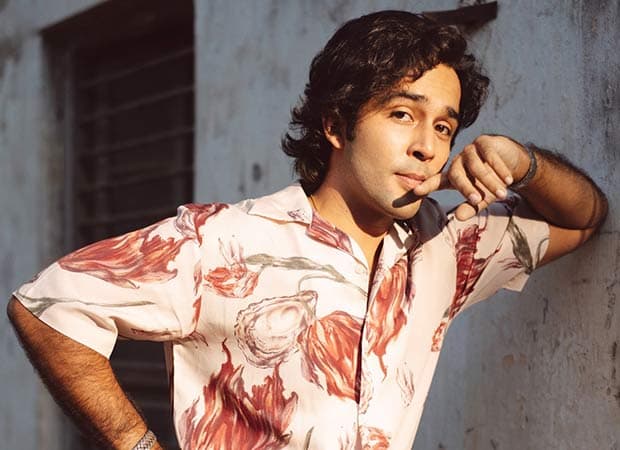
Zahan Kapoor reveals an unconventional role in his upcoming film, signaling a significant shift from his breakout success in Black Warrant. What’s next for this rising star?
Bollywood Hungama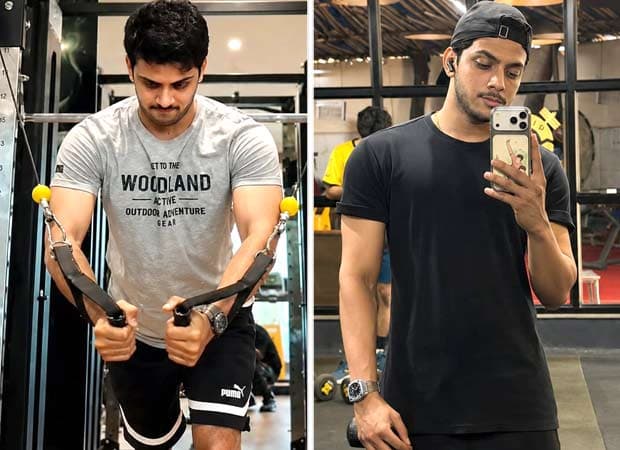
Discover how Vishal Jethwa is transforming his physique for Shakti Shalini, emphasizing the mental discipline behind peak fitness.
Bollywood Hungama
Discover the dark truths of urban development in Kammatipaadam, a film that reveals the often-overlooked sacrifices behind city growth.
Indian Express