

Image: Mint (Business)
Pakistan and Afghanistan declare a fragile ceasefire for Eid amid escalating violence and humanitarian crisis. What does this mean for future peace efforts?
GlipzoIn a significant yet fragile move, Pakistan and Afghanistan have reached a temporary ceasefire agreement coinciding with Eid al-Fitr, providing a brief respite in a conflict that has spiraled into alarming levels of violence. This truce, which will last from Thursday to Monday, comes in the wake of a devastating airstrike in Kabul that has raised international alarms and led to a surge in civilian casualties.
The truce was officially announced on Wednesday by officials in both Islamabad and Kabul, who signaled their intent to pause military operations during this sacred Islamic holiday. Attaullah Tarar, Pakistan's Information Minister, indicated that the ceasefire was requested by several “brotherly Islamic countries,” notably Saudi Arabia, Qatar, and Turkiye. In a social media post, Tarar emphasized that Pakistan's gesture was made in good faith and aligned with Islamic values.
However, the truce comes with a warning: should there be any cross-border attacks, whether drone strikes or terrorist incidents, military operations would resume with greater intensity. This stipulation reflects the ongoing tensions, as both nations remain on high alert, despite the temporary halt in hostilities.
The decision to agree on a ceasefire follows one of the deadliest incidents in recent memory. A Pakistani airstrike on a drug rehabilitation facility in Kabul on Monday night resulted in significant casualties. While the Taliban initially claimed that approximately 400 individuals were killed and over 200 injured, the United Nations later confirmed 143 deaths at the Omar Addiction Treatment Hospital, a facility designed to accommodate up to 2,000 patients.
The stark difference in reported casualty figures underscores the challenges in verifying the aftermath of such strikes, particularly in a conflict zone. Islamabad has vehemently denied accusations of targeting civilians, insisting that its operations focus on “terrorist infrastructure and military locations.” However, the scale of destruction has intensified scrutiny from the international community, leading to widespread condemnation.
Despite the announcement of the Eid truce, Afghanistan’s leadership expressed that underlying tensions remain high. During a mass funeral for the victims of the airstrike, Interior Minister Sirajuddin Haqqani delivered a fierce condemnation of the attack. He declared, “We will take revenge,” warning that those responsible would face consequences, indicating that Afghanistan is not “weak and helpless.”
Haqqani also pointed out the complexities of the situation, acknowledging a desire for diplomatic resolution while simultaneously highlighting the grim reality of ongoing conflicts. “We do not want war,” he stated, “but the situation has come to this.” His remarks illustrate the precarious balance between the desire for peace and the need for retribution, hinting at a turbulent path ahead.
The recent violence is part of a larger pattern of hostilities along the Durand Line, which stretches 2,640 kilometers and serves as the border between the two nations. Clashes have escalated following a Taliban operation initiated in late February, described as a response to prior Pakistani airstrikes.
Pakistan maintains that its military actions are crucial for combating armed groups that exploit Afghan territory to launch attacks across the border. This cycle of retaliation has led to repeated exchanges of fire and aerial assaults, raising concerns about a potential broader destabilization of the region.
The humanitarian toll of this conflict continues to escalate, with the United Nations warning that the situation exacerbates the challenges facing Afghanistan's already fragile health infrastructure. Tedros Adhanom Ghebreyesus, the head of the World Health Organization, pointed out that the ongoing violence places additional stress on health systems and heightens risks for vulnerable populations. He urged all parties to prioritize peace and health, noting that at least six health facilities have been impacted since late February.
The aftermath of the Kabul airstrike has been described in heart-wrenching detail by aid workers on the ground. The ongoing conflict has not only led to loss of life but also to displacement and suffering among countless civilians. As conditions worsen, the international community is increasingly drawn into the crisis, facing the urgent question of how to intervene effectively.
As the temporary ceasefire unfolds, the world watches with bated breath to see whether this gesture will lead to a lasting peace or merely serve as a tactical maneuver to relieve international pressure. The conditional nature of this truce raises doubts about its effectiveness in genuinely de-escalating the situation.
In the coming days, observers should pay attention to: - The reaction of both governments to any incidents during the ceasefire. - The potential for further diplomatic engagement or breakdown. - The impact on civilian life and humanitarian conditions in Afghanistan.
Ultimately, the future of peace in this region will depend on the commitment of both parties to negotiate and the willingness of the international community to support a sustainable resolution to the conflict. Only time will tell if this Eid ceasefire marks the beginning of a new chapter or if it is merely a pause in a cycle of violence.
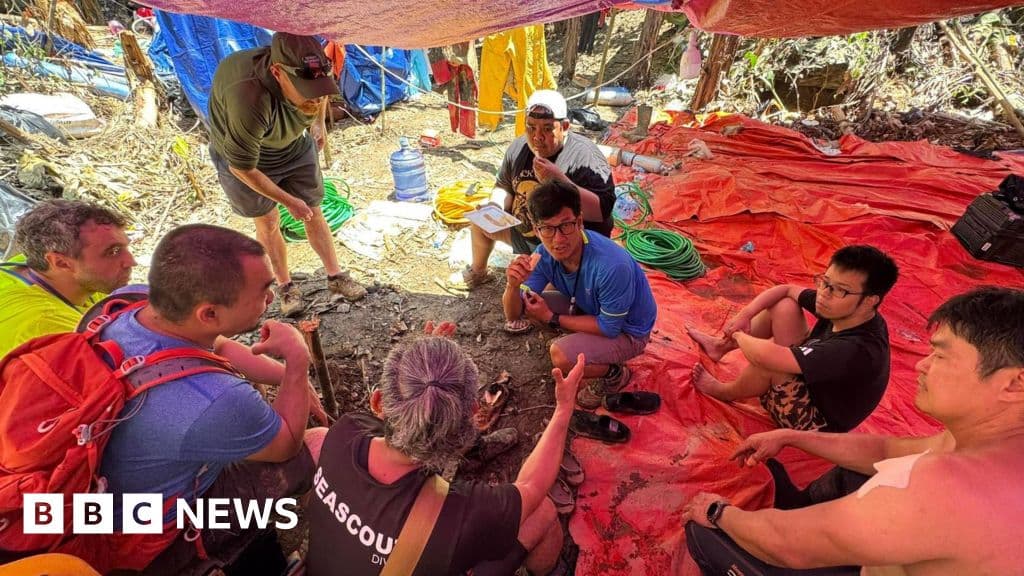
Survivors of the Laos cave rescue are aiding efforts to find the last two missing men trapped inside, sharing crucial insights for the search operation.
BBC World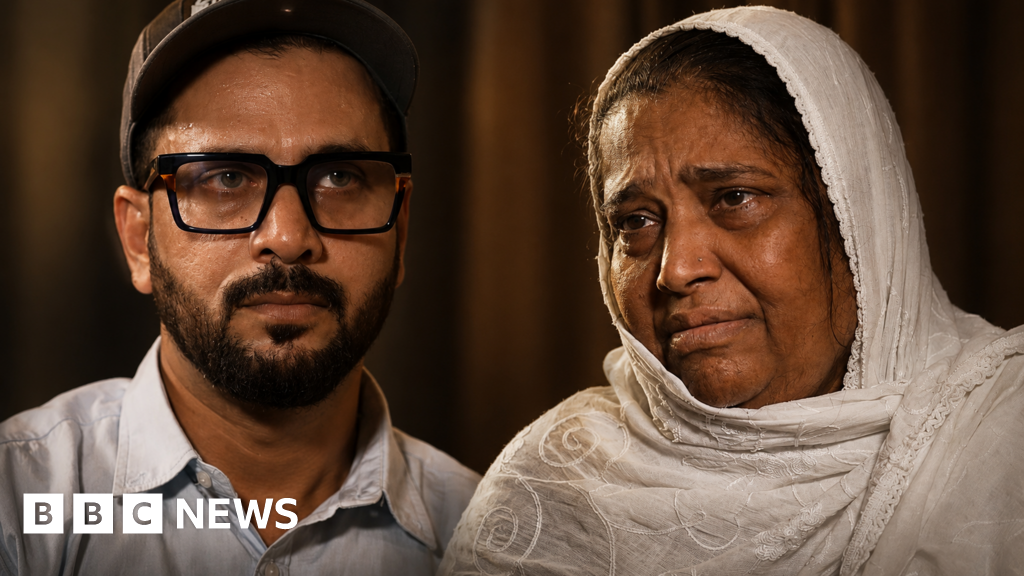
A year after the tragic Air India crash, the Ali family reflects on grief, unanswered questions, and the enduring bonds of love in the face of loss.
BBC Business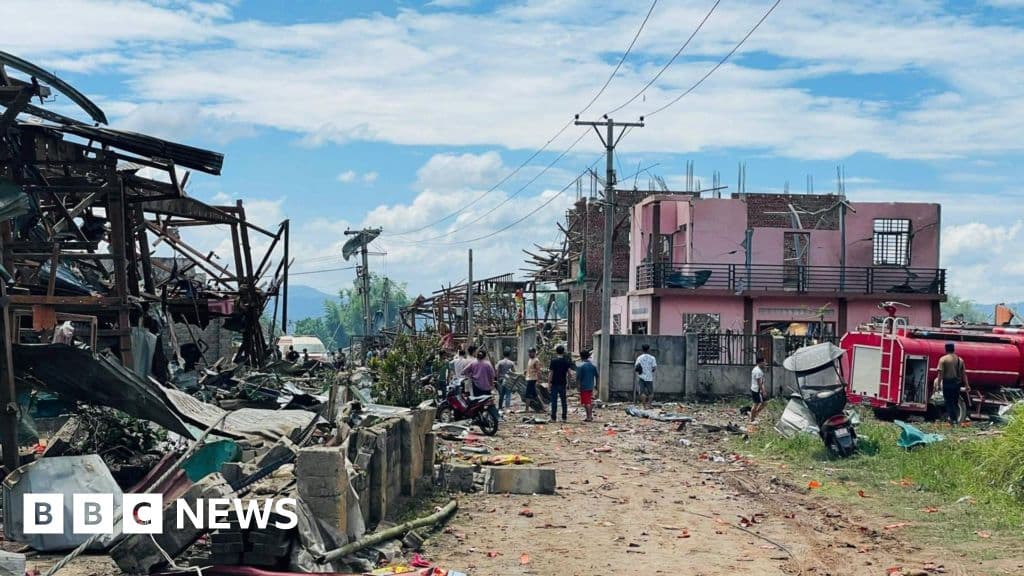
A devastating explosion in Myanmar's Kaung Tat village has killed at least 55 people, raising serious safety concerns and questions about civilian protection in conflict zones.
BBC World